



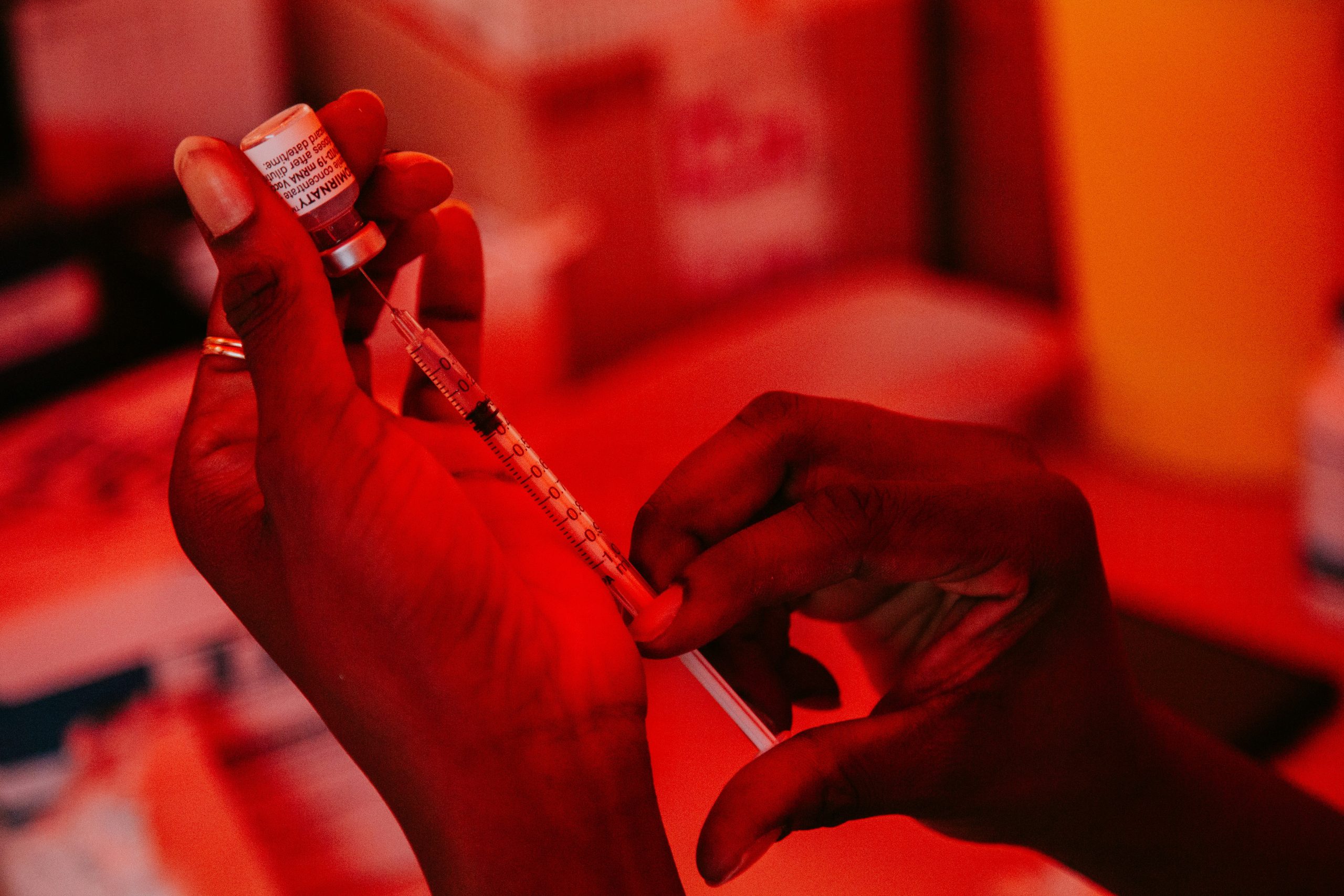
Danish researchers analyzed data from over 77,000 adults using anti-obesity drugs without diabetes. They found 52 percent stopped within one year.
Eighteen percent quit within three months, 31 percent within six months, and 42 percent after nine months. Younger adults, men, and residents of poorer areas quit most often.
GLP-1 Medications Require Long-Term Use
Ozempic and Wegovy belong to the GLP-1 receptor agonist class. These drugs mimic hormones that reduce appetite and promote weight loss.
Professor Reimar W. Thomsen of Aarhus University said stopping the drugs eliminates all appetite-control benefits. He emphasized long-term use ensures effective results.
Factors Driving Patients to Quit
Researchers found patients under 30 were 48 percent more likely to discontinue treatment than those aged 45 to 59.
People in low-income neighborhoods were 14 percent more likely to quit than residents of wealthier areas. Men also stopped more frequently.
Chronic health issues and prior use of psychiatric or gastrointestinal medications increased the likelihood of dropout, likely due to side effects such as nausea or vomiting.
Costs May Limit Access
In Denmark, a month’s supply of Ozempic costs up to €313 without diabetes coverage, compared to roughly €120 in Germany. High prices may force patients to discontinue treatment.
Public Health Implications
Thomsen highlighted that these drugs reduce risks of heart disease, cancer, and addiction. He urged stronger support for patients who benefit from GLP-1 medications.
“With more than half of European adults overweight or obese, helping patients maintain treatment is essential for health outcomes and quality of life,” he said.
Presentation and Policy Outlook
The study has not yet appeared in a medical journal but will be presented at the European Association for the Study of Diabetes annual meeting in Vienna.
Researchers recommend interventions to improve adherence, especially for younger adults, men, and residents in lower-income areas.
