



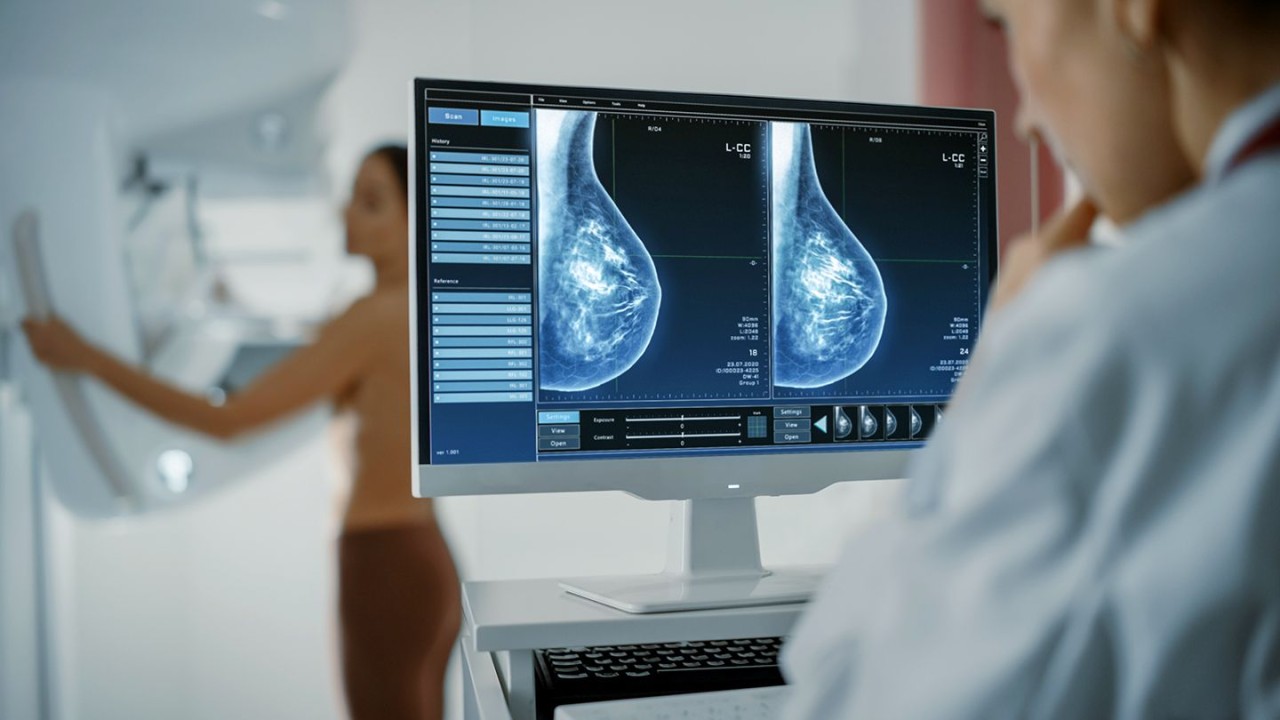
The early cancer detection research from the U.S. National Institutes of Health (NIH) shows new hope in the fight against pancreatic cancer. Scientists shared early results from new tools that may help find this deadly cancer at an earlier stage. The goal is to improve survival rates through faster diagnosis.
Pancreatic cancer is one of the most dangerous cancers. It often grows without clear signs. Many patients find out about it too late. At that stage, treatment is harder and less effective. This is why early detection is very important.
The early cancer detection research focuses on finding simple ways to spot the disease sooner. Researchers are working on new blood tests and biological markers. These tools may help doctors detect cancer changes before symptoms appear.
NIH experts say this work is still in the research stage. But early results look promising. Some tests show they can detect small changes in the body linked to pancreatic cancer. This could lead to faster diagnosis in the future.
Doctors say early diagnosis can change outcomes. When cancer is found early, treatment has a better chance to work. Patients may also have more treatment options. This is especially important for pancreatic cancer, which spreads quickly.
The early cancer detection research also focuses on improving accuracy. False alarms must be reduced. A good test must clearly show who is at risk and who is not. Researchers are testing different methods to improve reliability.
Health experts say current screening tools are limited. There is no easy routine test for pancreatic cancer today. That is why this research is important. It may lead to the first simple screening system for high-risk people.
The NIH team is working with hospitals and labs. They are collecting samples from patients at different stages of disease. These samples help scientists understand early signs of cancer in the body.
Researchers are also using advanced data tools. They analyze patterns in blood and genetic signals. These patterns may reveal hidden signs of cancer. This approach could improve early cancer detection research in the coming years.
Medical experts say progress is slow but steady. Cancer detection is complex. Each patient may show different signs. That is why large studies are needed before new tests can be used widely.
The early cancer detection research could also help other cancers. If successful methods are found, they may be adapted for lung, liver, or ovarian cancer. This would expand the impact of the work.
Public health groups welcome the findings. They say pancreatic cancer has very low survival rates. Most cases are found late. Even small improvements in early detection can save many lives over time.
Doctors also stress the need for awareness. People at higher risk should get regular medical advice. Risk factors include family history, smoking, and age. Early checkups may help catch warning signs sooner.
The NIH says more trials will continue. Larger groups of patients will be studied. This will help confirm how well the new tests work in real conditions.
Experts believe the early cancer detection research marks an important step forward. It shows how science is moving toward earlier and easier diagnosis. While more work is needed, the direction is clear.
For now, researchers remain careful. They do not call it a final solution. But they say the progress is encouraging. It brings hope for better cancer care in the future.
The early cancer detection research may one day change how doctors find and treat pancreatic cancer. Earlier detection could mean more lives saved and better treatment success.
