



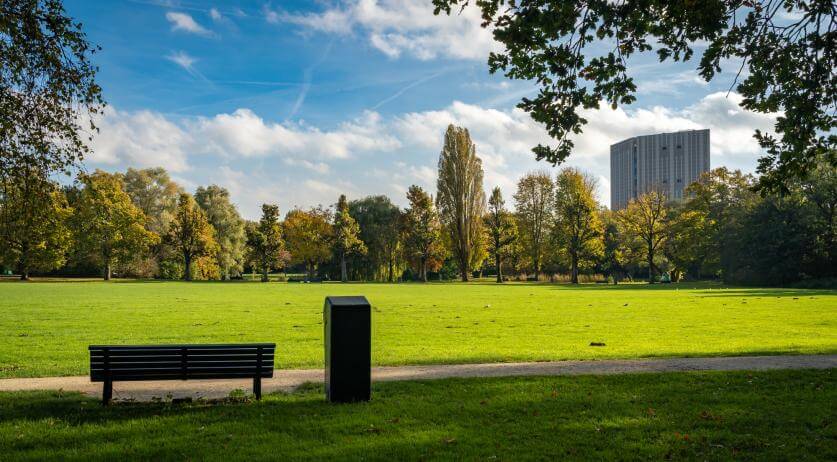
Amsterdam and Rotterdam have launched initiatives to expand urban green spaces, planting thousands of trees and creating community gardens across the cities. The projects aim to improve air quality, increase biodiversity, and provide residents with accessible outdoor spaces for recreation and relaxation.
City officials said the initiatives are part of broader efforts to make urban areas more sustainable and livable. By planting trees and developing gardens, the cities aim to reduce pollution, enhance public health, and support local wildlife. Residents welcomed the plans, noting that the projects will create greener, more enjoyable neighborhoods.
The programs involve local communities in planning and maintenance, encouraging citizens to participate in environmental stewardship. Schools, volunteer groups, and neighborhood organizations are joining efforts to design and care for gardens, fostering a sense of community and shared responsibility.
Experts said urban green spaces offer multiple benefits, including lowering temperatures during summer, reducing noise pollution, and improving mental well-being. Trees and gardens can also attract birds, insects, and other wildlife, contributing to urban biodiversity. Officials emphasized that these projects are long-term investments in the environment and quality of life for residents.
In addition to environmental benefits, the initiatives are expected to enhance social cohesion. Community gardens provide spaces for residents to meet, work together, and share resources. City leaders noted that green spaces play a vital role in promoting inclusive, healthy, and connected communities.
Amsterdam and Rotterdam’s new projects follow successful models from other European cities that have increased urban greenery. Studies show that green spaces improve air quality, reduce stress, and encourage outdoor physical activity, making cities more resilient and enjoyable for citizens.
Officials highlighted that the projects are designed to be sustainable and adaptable. Trees and plants were selected based on their ability to thrive in urban environments while requiring minimal maintenance. Community involvement ensures that gardens and green areas are preserved and nurtured over time, creating a lasting impact on the urban landscape.
The expansion of urban green spaces also aligns with broader climate and environmental goals. By planting more trees and encouraging biodiversity, the cities contribute to carbon reduction and help mitigate the effects of climate change. City authorities emphasized that these initiatives are part of ongoing efforts to make Dutch cities cleaner, healthier, and more environmentally friendly.
Residents expressed excitement about the opportunity to engage with nature within the city. The combination of trees, gardens, and green corridors is expected to transform public spaces, offering peaceful retreats and promoting a sense of well-being. Amsterdam and Rotterdam’s urban green projects demonstrate how local governments can enhance city life while addressing environmental challenges and fostering sustainable development.
