



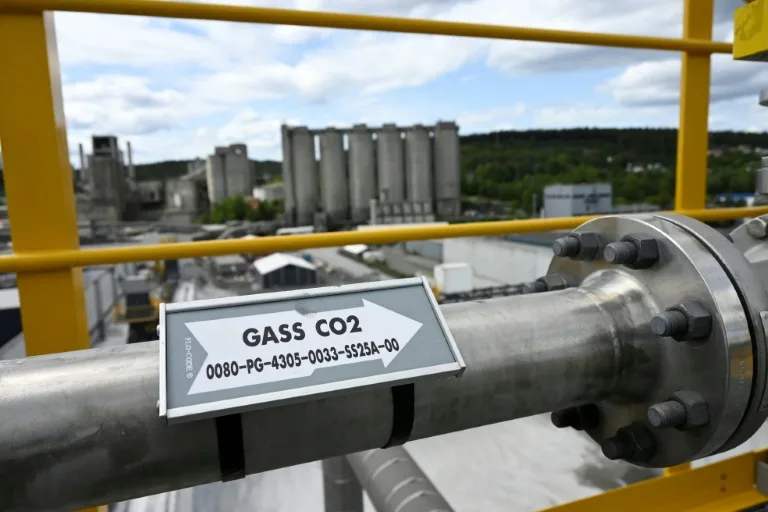
Carbon capture technology is gaining significant attention at COP30, with over 500 participants showing support for its development and deployment. The trend reflects growing interest and investment in solutions to remove carbon from the atmosphere.
Delegates emphasized the role of carbon capture as part of a broader strategy to reduce greenhouse gas emissions. Experts note that these technologies can complement renewable energy and energy efficiency measures, helping countries meet climate goals.
Support for carbon capture includes both governmental and private-sector commitments. Investors and policymakers are exploring funding, research, and deployment strategies to scale up carbon removal solutions effectively.
At COP30, participants discussed the technical, economic, and policy frameworks needed to accelerate carbon capture adoption. Talks focused on reducing costs, improving efficiency, and ensuring environmental and social safeguards.
Civil society groups and environmental organizations also weighed in, highlighting the importance of transparency and accountability in carbon capture projects. They stressed that technologies must be deployed responsibly and contribute to measurable emission reductions.
Carbon capture technology is seen as a critical tool for achieving net-zero targets. By capturing carbon from industrial processes or directly from the air, it can help offset emissions that are difficult to eliminate through traditional energy transitions.
Delegates highlighted the need for international cooperation to advance carbon capture. Shared knowledge, joint investment, and policy alignment are essential to scale the technology globally and ensure equitable benefits.
Early discussions at COP30 suggest momentum is building. Countries are increasingly willing to explore pilot projects, public-private partnerships, and incentives to encourage adoption of carbon removal solutions.
Participants also addressed integration with other climate initiatives, such as renewable energy expansion and nature-based solutions. Combining approaches can maximize impact and support long-term climate resilience.
Experts note that carbon capture is not a standalone solution. It must complement emission reductions, efficiency improvements, and renewable energy deployment to achieve meaningful climate goals. COP30 discussions aim to balance innovation with responsible implementation.
The growing support at COP30 reflects a recognition that multiple approaches are needed to tackle climate change. Carbon capture technology is emerging as a promising option to reduce atmospheric CO₂ while global decarbonization efforts continue.
As talks progress, stakeholders will focus on financing, regulatory frameworks, and technology deployment strategies. These efforts aim to ensure carbon capture contributes effectively to global emission reduction targets.
COP30 demonstrates that innovation and international collaboration are central to climate solutions. The rising interest in carbon capture technology underscores the need for scalable, responsible tools to address the climate crisis.
