



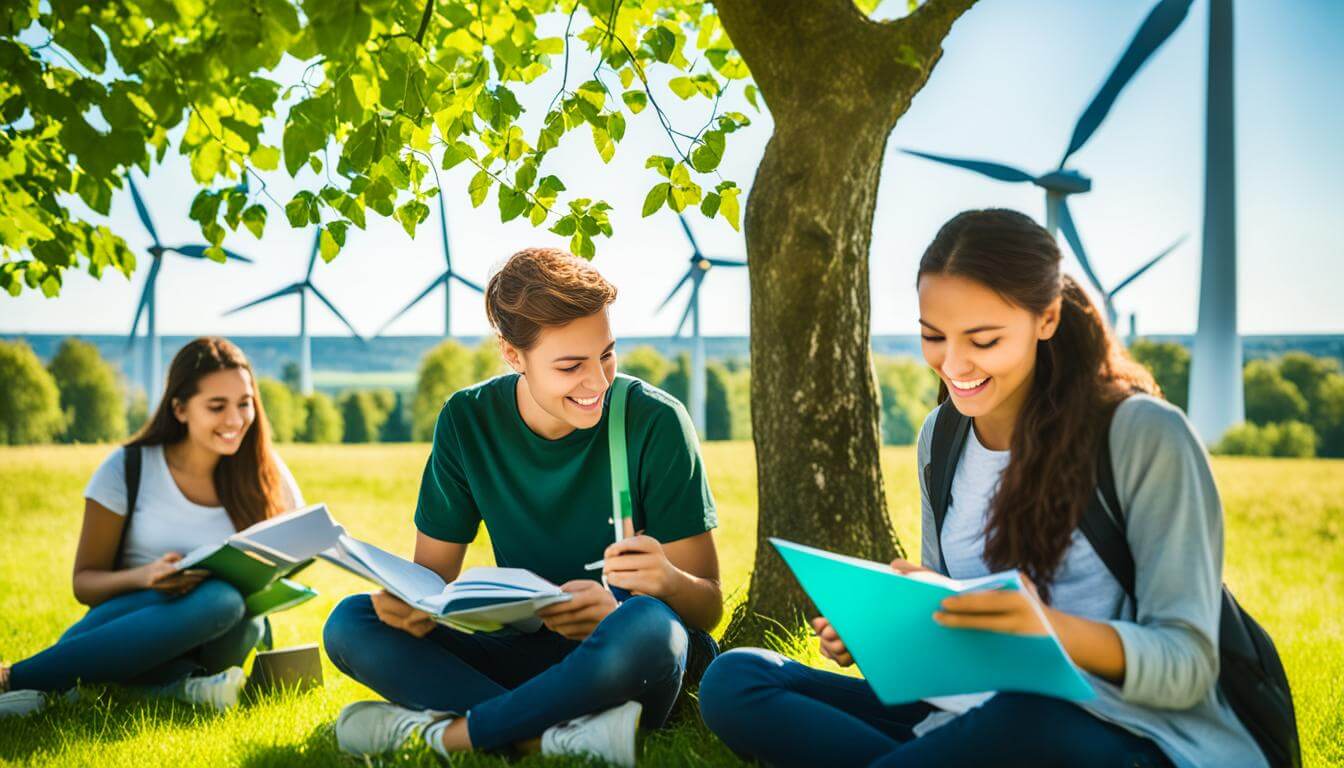
Schools across Germany are increasingly adopting eco-friendly classroom designs. The Green Classrooms Initiative Germany is gaining popularity as more educational institutions focus on sustainability. These classrooms use natural materials, energy-efficient lighting, and indoor plants to create healthier learning spaces. Students benefit from environments that improve focus, reduce stress, and support overall wellbeing. Teachers report that students are more engaged and attentive in classrooms that incorporate natural light and greenery.
The initiative encourages schools to replace traditional furniture with recycled or low-impact materials. Wooden desks, eco-friendly chairs, and energy-saving lighting are becoming standard. Many schools are adding plants and creating small indoor gardens. Some have expanded to outdoor learning spaces where students can study and interact with nature directly. These changes aim to make learning more enjoyable and to instill environmental responsibility from an early age.
Students in green classrooms show noticeable improvements in mood and concentration. Studies suggest that classrooms designed with nature in mind reduce stress and anxiety. Parents also notice that children spend more time on tasks and participate actively in school activities. Educators say that sustainable classrooms contribute to a sense of calm and increase collaboration among students.
Environmental awareness is a core part of the initiative. Schools teach students about recycling, energy conservation, and biodiversity through practical lessons. Students learn simple actions they can take to reduce waste and protect the environment. Many schools have started student-led projects, such as composting programs and garden maintenance, allowing children to see the direct impact of their efforts.
The initiative started in a few pilot schools but is now expanding across Germany. Regional education authorities provide funding and resources to help more schools adopt green designs. Experts predict that in a few years, the majority of German schools will have some form of eco-friendly classrooms. Teachers and administrators say that the initiative not only supports learning but also prepares students to be responsible global citizens.
Green classrooms also help schools save energy and reduce environmental impact. Efficient lighting and sustainable materials lower energy costs and support long-term sustainability goals. By integrating green practices into school operations, institutions model responsible behavior and provide students with lessons that extend beyond the classroom.
The popularity of the Green Classrooms Initiative Germany reflects a broader shift in education. Schools are recognizing that physical space matters in learning. Comfortable, natural, and sustainable classrooms promote wellbeing and academic success. Parents and communities are supporting the movement, seeing long-term benefits for children and the planet. As this approach spreads, it may influence school designs across Europe, showing that sustainability and education can go hand in hand.
