



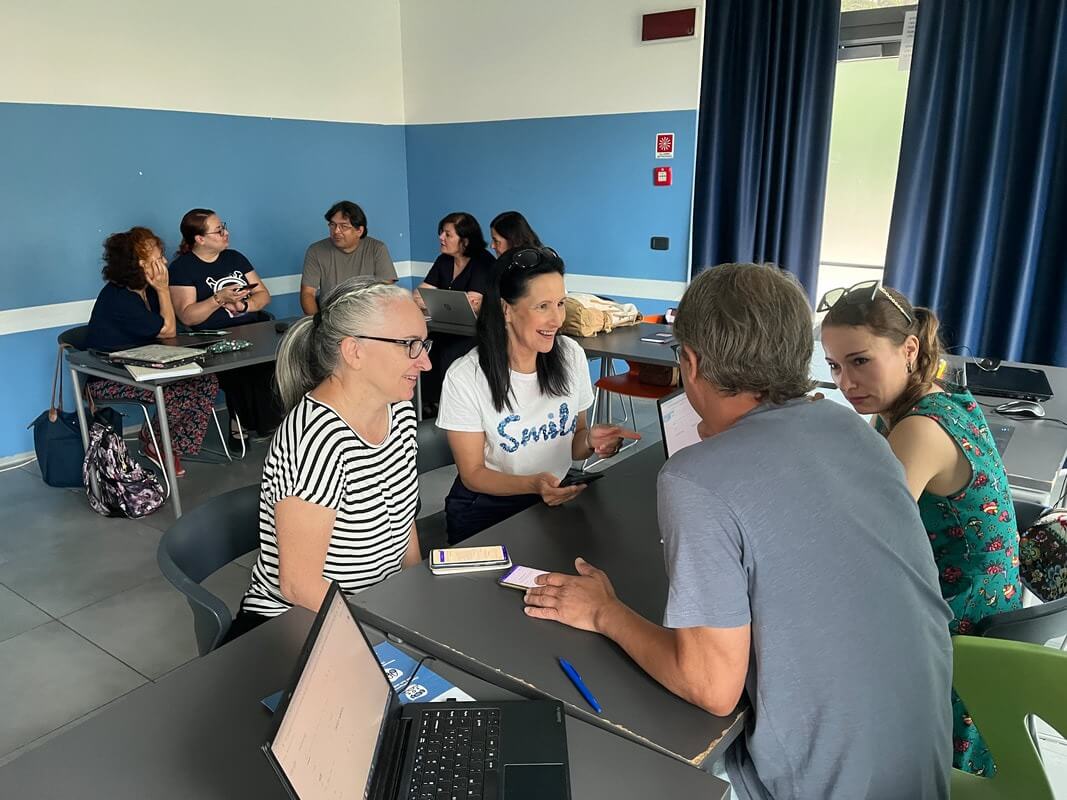
Schools in Europe are reporting a significant increase in student engagement after adopting interactive digital learning tools. Educators say these tools have transformed classrooms, making learning more exciting and collaborative. Teachers note that students are participating more actively in lessons. Digital tools, such as online quizzes, collaborative platforms, and interactive videos, are helping students stay focused and involved. Many schools have integrated these tools into daily teaching, combining traditional lessons with online activities.
Students in schools using digital tools are showing higher motivation levels. The interactive nature of these platforms encourages them to participate without fear of judgment. Classmates can work together on projects, share ideas instantly, and get immediate feedback from teachers. Educators believe this shift is also improving problem-solving and critical thinking skills. By engaging with digital tools, students are learning to communicate effectively and collaborate in ways that were not possible in traditional classrooms.
Many European schools are investing in technology infrastructure to support this digital transformation. High-speed internet, tablets, and smartboards are becoming standard in classrooms. Teachers are receiving training to use these tools efficiently, ensuring lessons remain engaging and productive. Some schools have even introduced blended learning models. In these models, students attend in-person classes while using digital platforms for assignments, discussions, and extra learning activities. This approach is showing positive results in student attendance, participation, and overall academic performance.
Educators report that digital learning engagement is improving the classroom environment. Teachers can track student progress in real time, identify areas where students struggle, and provide personalized support. Students are responding positively to this attention, feeling more confident in their abilities. Parents are also noticing the benefits. Many say their children are more interested in schoolwork and spend additional time using online learning platforms at home. The combination of interactive tools and teacher guidance is fostering a more dynamic learning experience.
Schools in Europe are planning to expand digital learning programs further. Policymakers and educators see technology as a key factor in modern education. By integrating interactive tools, schools hope to maintain high levels of student engagement and prepare learners for a future that increasingly relies on digital skills. Experts agree that continued investment in digital tools, teacher training, and curriculum development is essential. Schools that successfully combine technology with traditional teaching methods are likely to see sustained improvements in student learning outcomes. Digital learning engagement in Europe is on the rise, offering a more interactive, motivating, and collaborative environment for students. As schools continue to adopt innovative tools, the landscape of education is transforming to meet the needs of modern learners.
