



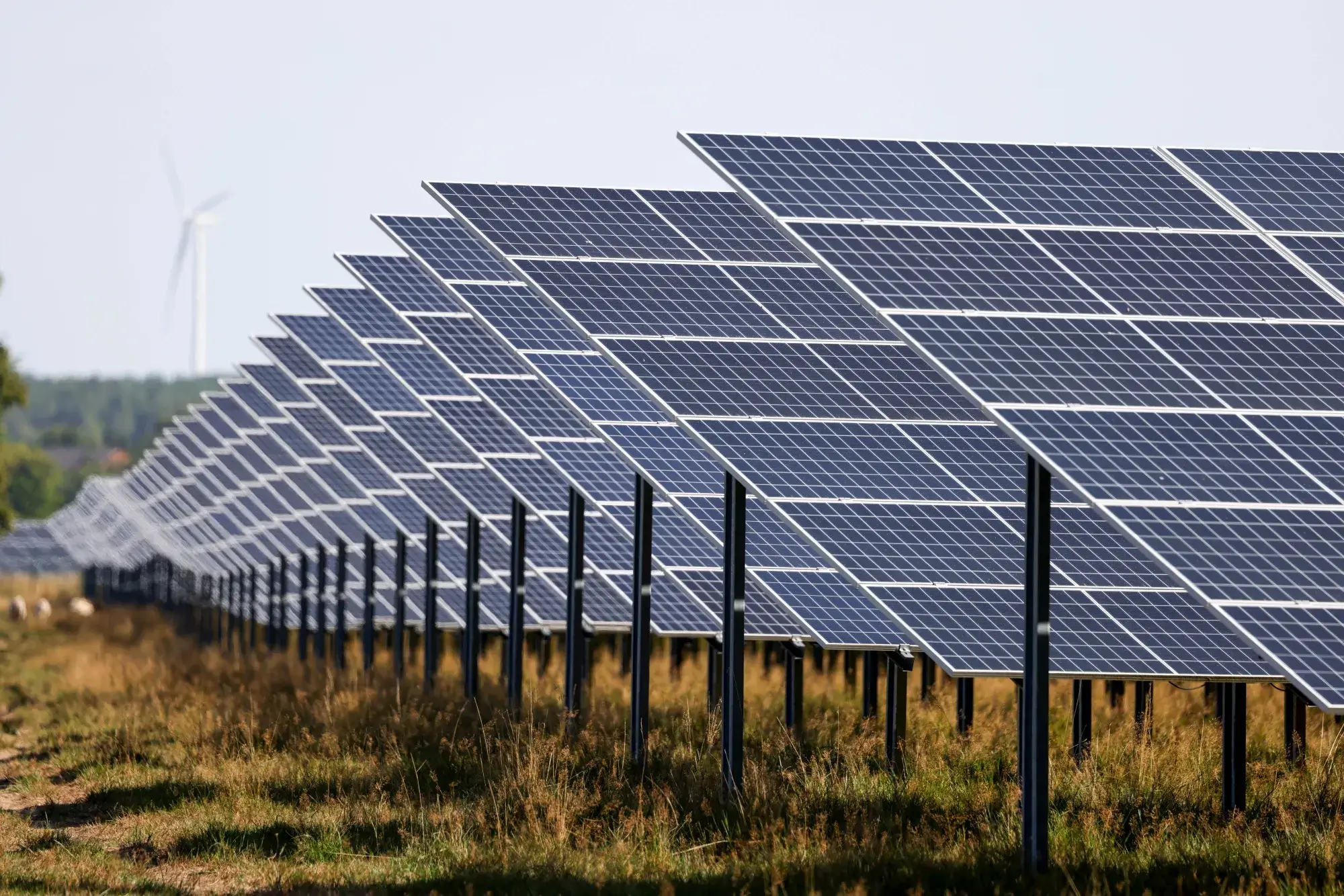
Germany reported a record-breaking week of solar energy production, supplying over 40% of the country’s electricity from renewable sources. The milestone highlights the nation’s growing commitment to clean energy and its success in expanding solar infrastructure across urban and rural areas.
Officials said the achievement reflects increased solar panel installations, favorable weather conditions, and improvements in grid management. Solar farms and rooftop panels contributed significantly, demonstrating how decentralized energy systems can support national electricity demand. Analysts noted that the record underlines Germany’s role as a leader in renewable energy adoption.
The surge in solar power has also helped reduce reliance on fossil fuels, lowering greenhouse gas emissions and supporting climate goals. Policymakers emphasized that solar energy plays a key role in Germany’s energy transition strategy, contributing to both environmental sustainability and energy security.
Energy experts highlighted that the record output demonstrates the potential for renewable energy to cover substantial portions of electricity needs. Germany’s investment in solar infrastructure, combined with supportive policies and technological innovation, has made it possible for renewable sources to operate efficiently and reliably on a large scale.
Communities across Germany have benefited from the growth of solar energy. Local economies gain from job creation in solar panel manufacturing, installation, and maintenance. In addition, households with rooftop solar systems can reduce energy costs while contributing to a cleaner electricity grid. Officials said that these developments promote both environmental and economic resilience.
The record week also emphasized the importance of energy storage and smart grid systems. Effective storage solutions allow solar energy generated during the day to be used during peak demand periods, enhancing grid stability and reliability. Experts noted that continued investment in storage and distribution infrastructure is essential for maximizing the benefits of renewable energy.
Germany’s renewable energy sector continues to innovate, with ongoing research in solar efficiency, hybrid energy systems, and community-driven solar projects. Policymakers said that achievements like this record week inspire further expansion and encourage other countries to accelerate their renewable energy adoption.
The success of solar energy in Germany also aligns with broader European climate goals. By reducing carbon emissions and increasing the share of renewables in electricity production, Germany contributes to the EU’s targets for a sustainable and low-carbon future. Officials highlighted that milestones like this serve as proof that ambitious energy transition plans are achievable.
The record solar output demonstrates how renewable energy can power modern economies while protecting the environment. Germany’s achievement underscores the potential of solar energy to provide a significant portion of national electricity needs, marking another step forward in the country’s journey toward a greener, more sustainable energy system.
