



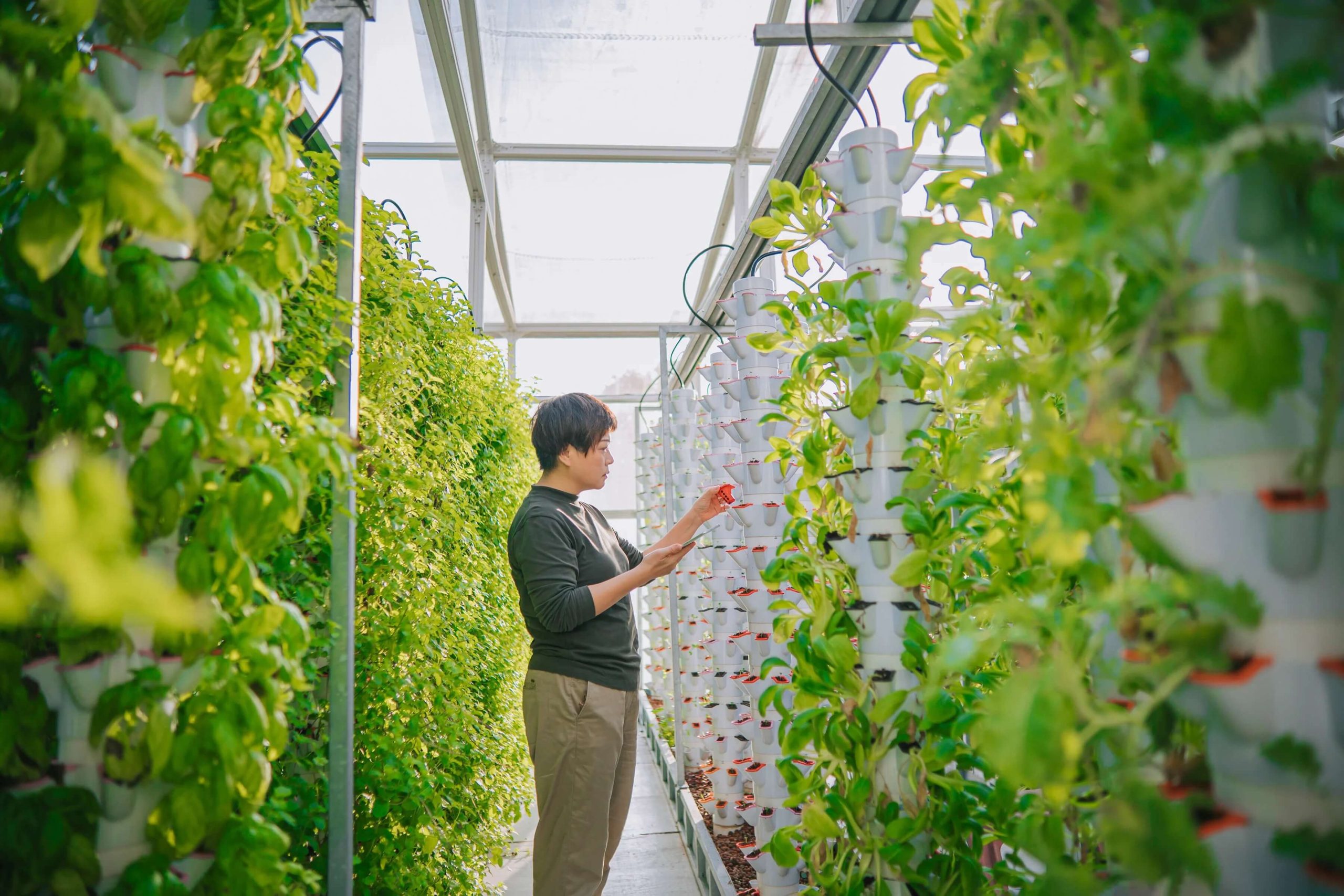
Europe’s push for a greener economy is creating far more jobs than experts first expected. Across the continent, new solar, wind, and clean technology projects are opening career paths for young people while cutting carbon emissions. Policymakers say the green transition is proving to be an engine of growth, not a cost.
The European Union launched its Green Deal in 2019 to cut greenhouse gas emissions by 55% by 2030 and reach climate neutrality by 2050. Many feared the shift from fossil fuels to renewable energy would lead to widespread job losses. Heavy industries like coal mining and oil refining were expected to shrink, putting thousands of workers at risk. But the opposite is now happening.
Recent data from EU labor agencies show strong growth in renewable energy employment. Wind and solar power firms are hiring engineers, technicians, and installers at record rates. Energy efficiency companies are adding workers to upgrade buildings and transport networks. Recycling, sustainable farming, and green manufacturing sectors are also expanding. This rapid hiring is absorbing workers from declining industries and even creating new demand for training programs.
A key reason is that renewable energy projects are labor-intensive during the construction and installation phases. While fossil fuel plants need fewer workers once built, solar and wind farms require large teams to set up and maintain. As the EU funds more local projects, the need for skilled labor keeps rising.
Many of these new jobs are attracting younger workers. Training programs across Europe are helping students and recent graduates gain skills in fields like solar panel installation, battery production, and electric vehicle maintenance. In Spain, youth employment in renewable energy has more than doubled in five years. Germany and Denmark have launched fast-track courses for green tech careers, while France offers paid apprenticeships in clean energy firms.
Experts say these trends are reshaping the European job market. Instead of disappearing, many traditional roles are being adapted. For example, former coal plant engineers are retraining as wind turbine technicians. Auto factory workers are shifting from diesel engines to electric vehicle assembly. These transitions are supported by EU funds that help workers reskill while receiving income support.
The growth is also boosting local economies. Rural regions that once depended on coal mines or heavy industry are seeing new investment in wind farms and solar parks. Local small businesses benefit from the increased economic activity, from housing construction to transport services. Analysts believe this will help reduce regional inequality across the EU.
Critics had warned that the green transition would hurt competitiveness, but data shows the opposite. The EU now exports more clean technology than it imports. European companies are becoming leaders in fields like offshore wind, energy storage, and green hydrogen production. This global advantage is expected to grow as other regions increase their demand for renewable energy solutions.
While challenges remain, such as the need for faster permitting and more stable energy prices, experts say the overall impact is positive. Europe is cutting emissions while creating jobs, proving that climate action can support economic growth. Young people are finding stable, future-proof careers in a sector that is expected to expand for decades.
Policymakers believe this success will help build public support for stronger climate action. If people see that green policies create real benefits like jobs and economic security, they are more likely to back ambitious climate goals. For now, the trend is clear: Europe’s clean energy shift is becoming one of the continent’s strongest job creators, offering hope for both the planet and the next generation of workers.
