



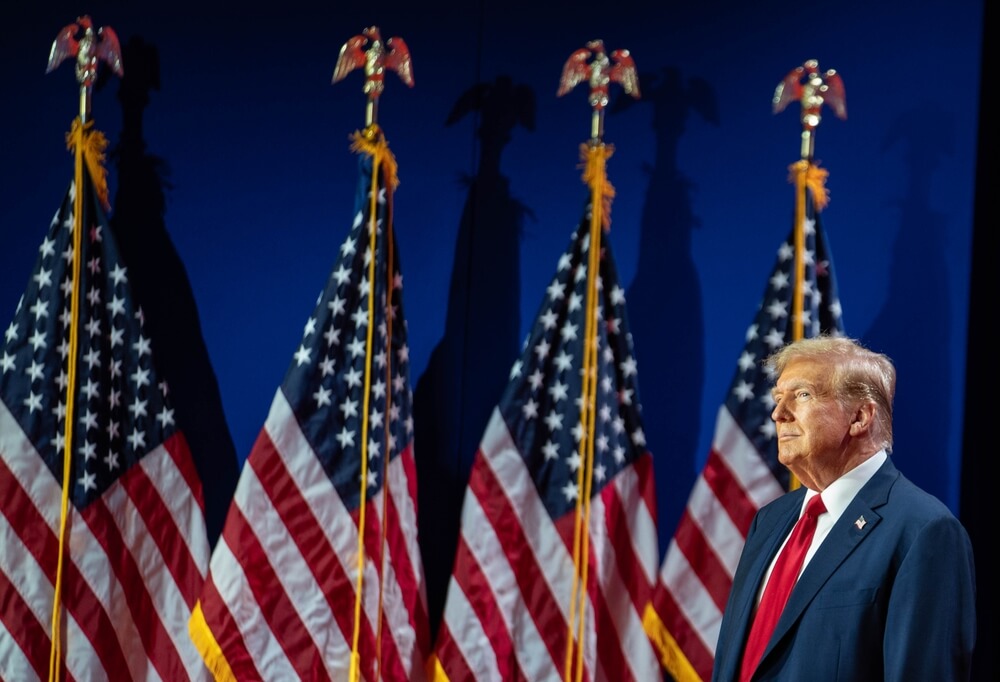
US President Donald Trump has withdrawn the United States from dozens of international organisations. Many of them focus on climate change and environmental protection. Almost half of the 66 affected bodies connect to the United Nations system. The list includes the Framework Convention on Climate Change, which underpins global efforts against warming.
The decision also affects organisations working on development, gender equality, and conflict prevention. The Trump administration often criticised these areas as promoting “globalist” or “woke” ideas. The White House said these groups no longer serve American interests and promote hostile agendas.
White House Defends Decision as Protection of US Interests
The president signed the memorandum on Wednesday after an internal review. The White House described the organisations as a waste of taxpayer money. Officials said the withdrawals would end US funding and involvement in groups prioritising global agendas over national priorities.
The administration added that many organisations promote radical climate policies and global governance. It said those agendas conflict with US sovereignty and economic strength.
Withdrawal Hits Global Climate Science Efforts
The United States has also withdrawn from the Intergovernmental Panel on Climate Change. The panel serves as the world’s leading authority on climate science. It compiles major reports on rising global temperatures.
Sources inside the panel expressed concern about the impact on US scientists. They warned the withdrawal could disrupt work on the next major assessments. The administration has already blocked US scientists from attending a meeting in China.
Restrictions on travel or participation could delay upcoming IPCC reports. This includes the mitigation report guiding governments on climate action.
Clean Energy and Security Groups Also Affected
The withdrawal extends beyond UN-linked bodies. It includes organisations focused on clean energy cooperation and democratic governance. Affected groups include the International Solar Alliance and the Global Counter-Terrorism Forum. The International Institute for Democracy and Electoral Assistance also appears on the list.
Trump has previously cut funding from multilateral organisations he opposes. He has repeatedly rejected the scientific consensus on human-caused climate change.
Legal Uncertainty and Long-Term Consequences
The United States will need one year to complete withdrawal from the climate convention. In practice, the country reduced its engagement in climate talks years ago. Campaigners now question whether courts could challenge the decision.
The US constitution outlines how presidents join treaties. It remains silent on the withdrawal process. Legal experts say this creates uncertainty over whether a future president could easily rejoin.
International Reaction and Growing Criticism
These withdrawals follow the second exit from the Paris Climate Agreement last year. The administration also skipped sending a delegation to the COP30 summit in Brazil. The United States has already left the World Health Organization and other UN bodies.
European leaders criticised the move and warned of weaker global cooperation. EU climate commissioner Wopke Hoekstra called the decision regrettable and damaging. EU vice-president Teresa Ribera said the administration showed little concern for health and human suffering.
A representative from the Union of Concerned Scientists called the move a new low. Senior policy director Rachel Cleetus said the administration continues to undermine wellbeing and global stability.
