



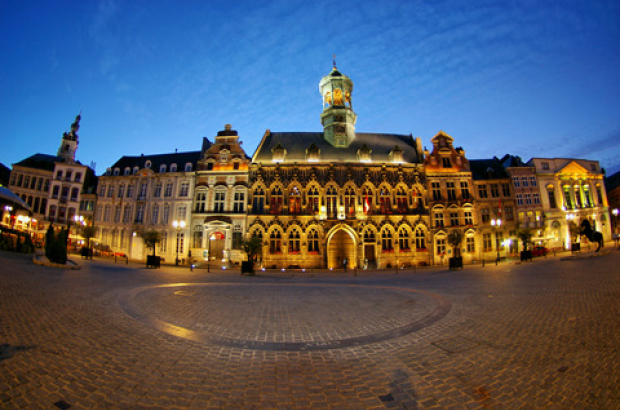
Cities across Europe welcomed local art festivals this week, drawing large crowds and offering residents a chance to explore creative works. From painters and sculptors to digital artists, these events highlighted the diversity of artistic talent in the region.
Local governments and cultural organizations supported the festivals, aiming to strengthen community bonds and promote cultural engagement. Many visitors expressed excitement at seeing both established and emerging artists display their work.
Attendance at these festivals was notably high, signaling a growing interest in cultural events. Families, students, and tourists participated in interactive workshops, live art demonstrations, and gallery tours. The festivals also featured performances, creating a lively atmosphere throughout city streets and public squares. Organizers emphasized that these events were designed to be inclusive and accessible, inviting people from all walks of life to engage with local art. This approach has helped boost community pride and a sense of cultural identity.
Artists showcased a wide range of styles and mediums. Traditional painters displayed vibrant canvases, while sculptors presented intricate works in wood, stone, and metal. Digital artists used modern technology to create interactive installations that captured the attention of younger audiences. Many festivals offered workshops and hands-on experiences, allowing visitors to try painting, sculpting, or digital design themselves. These programs encouraged creativity and made art more approachable for all age groups.
The rise in attendance reflects a broader cultural shift across European cities. Local authorities note that such festivals not only entertain but also educate and inspire citizens. By fostering an appreciation for art, these events contribute to stronger, more vibrant communities. In addition, the festivals provide valuable exposure for local artists. Many reported increased interest in their work and opportunities to collaborate on future projects. The combination of public engagement and professional development strengthens the overall creative ecosystem.
Beyond cultural benefits, the festivals have a positive impact on local economies. Cafes, restaurants, and shops reported higher foot traffic during the events. Hotels also saw increased bookings as tourists traveled specifically to attend the festivals. The festivals encourage sustainable tourism, attracting visitors who are interested in culture and creativity rather than mass entertainment. Local vendors and artisans benefit from showcasing their products, helping to support small businesses.
City planners and cultural organizations plan to continue expanding these festivals in the coming years. With rising public interest, more cities are expected to join the movement, making art festivals a staple of European cultural life. Officials highlight that such events strengthen social connections, inspire creativity, and foster a shared sense of identity. By celebrating local art, European cities are creating spaces where culture and community thrive together.
