



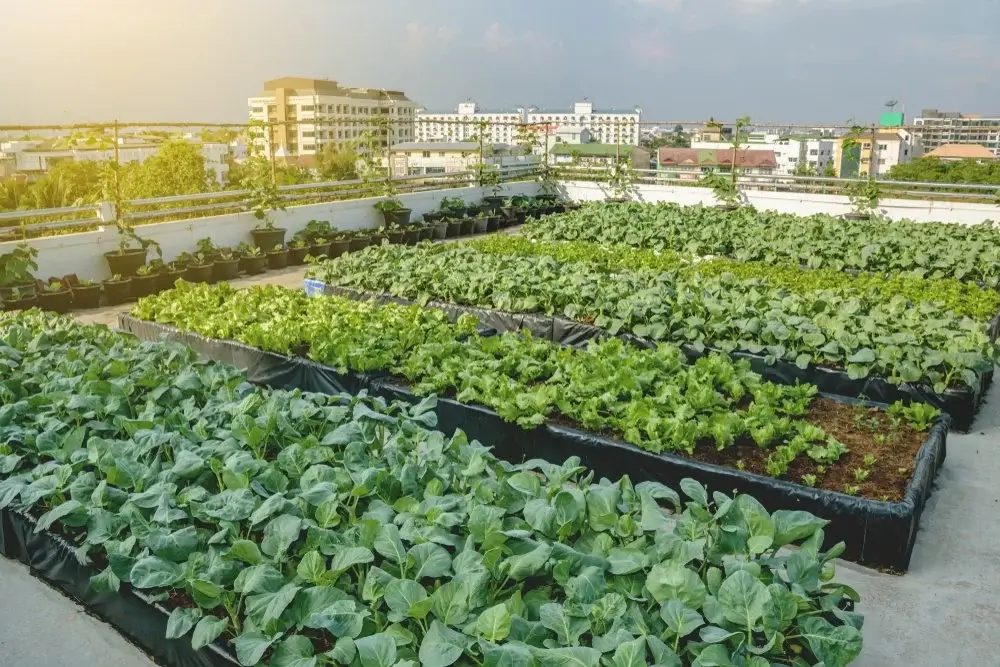
Cities across Europe are embracing community gardening projects to strengthen local ties and raise environmental awareness. These initiatives invite residents to participate in sustainable gardening workshops and neighborhood cleanups.
Community gardens offer urban dwellers a space to grow plants, share gardening skills, and connect with neighbors. Many of these projects focus on creating green spaces in otherwise crowded city areas. They encourage residents to take part in planting vegetables, flowers, and herbs, fostering a sense of ownership and pride in their neighborhoods.
The projects also aim to educate people about sustainability. Workshops teach eco-friendly gardening techniques, composting, and water conservation. Residents learn how to grow food organically and reduce waste, contributing to healthier communities and cities.
Local governments and urban planners are increasingly supporting these initiatives. By providing vacant plots, funding, and tools, cities help turn underused areas into thriving green spaces. This approach also helps improve air quality, reduce urban heat, and enhance the overall appearance of neighborhoods.
Social cohesion is another key benefit. Community gardening projects bring together people of different ages, backgrounds, and cultures. Participants share knowledge, collaborate on gardening tasks, and hold events that strengthen bonds within the community. Many residents report feeling less isolated and more connected to their surroundings.
Environmental groups are backing these programs as well. They see community gardens as a way to promote biodiversity in cities. Flowers, shrubs, and small trees planted in these spaces attract bees, birds, and insects, supporting local ecosystems.
Some cities have also integrated these projects into broader urban development plans. By linking gardens with local schools, libraries, and community centers, officials ensure that green spaces are accessible to all residents. Students can learn about plants and ecology, while families enjoy outdoor activities together.
The impact of these projects is visible. Neighborhoods with active community gardens often report cleaner streets, more greenery, and increased civic engagement. People take responsibility for maintaining the gardens and organizing related activities, creating a positive cycle of care and collaboration.
Community gardening projects are also helping tackle food insecurity in urban areas. Some gardens provide fresh produce to local food banks or directly to residents in need. This not only supports healthy eating but also strengthens community resilience.
Residents often highlight the mental health benefits of participating. Gardening reduces stress, encourages physical activity, and provides a sense of achievement. In cities where people may feel disconnected or overwhelmed, these green spaces offer a calming refuge.
Overall, community gardening projects in Europe are proving to be more than just urban beautification efforts. They are educational, social, and ecological initiatives that foster stronger communities and healthier environments. As more cities adopt these programs, the movement is expected to grow, inspiring residents to embrace sustainability and collaboration.
