



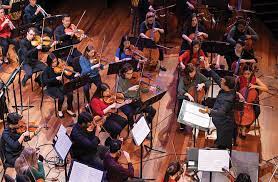
Music schools across Europe are experiencing a surge in student enrollment. Countries such as Germany, Italy, and Sweden report more young people signing up for music programs this year. Experts say this trend shows growing interest in both classical and contemporary music.
Educators note that many students are returning to music after years of decline in participation. Schools report that enrollment has increased by 10 to 20 percent compared to last year. Young learners are drawn to instruments like piano, violin, and guitar, while modern music courses are also gaining popularity.
Classical music remains a key attraction for many students. Lessons in piano, violin, and orchestral instruments are in high demand. Teachers say students enjoy learning from European classical traditions while exploring modern techniques. Conservatories and private schools report that more teenagers are attending workshops and summer music camps. These programs focus on performance skills, music theory, and ensemble practice. Many students now participate in small orchestras or chamber groups to improve their stage experience.
Alongside classical studies, contemporary music programs are thriving. Courses in jazz, pop, and electronic music attract students eager to create and perform new sounds. Music schools say these programs appeal to teenagers and young adults who want flexible learning and modern techniques. Teachers report that technology has made learning music easier. Students use digital tools to compose, record, and share their music online. This combination of traditional training and modern technology makes music programs more engaging and accessible.
Music schools emphasize that learning music provides more than performance skills. Studies show that music education improves focus, memory, and creativity. Schools encourage students to join group classes, which help develop teamwork and social skills. Educators also highlight the mental health benefits of music. Playing instruments or singing helps students manage stress and boost confidence. Many schools have launched initiatives to make music education more inclusive and affordable, attracting a wider range of students.
Experts expect the growth in enrollment to continue across Europe. Governments and cultural institutions are supporting music education through funding and scholarships. Schools are also adapting their programs to meet the needs of young learners, blending classical training with contemporary music and technology. Students say that learning music connects them with culture and history while giving them creative freedom. The rise in enrollment shows that European youth value both tradition and innovation in their music journey. Music schools across Europe now face the challenge of expanding programs and resources to accommodate this growing interest. Educators remain optimistic that the current trend will inspire a new generation of talented musicians.
