



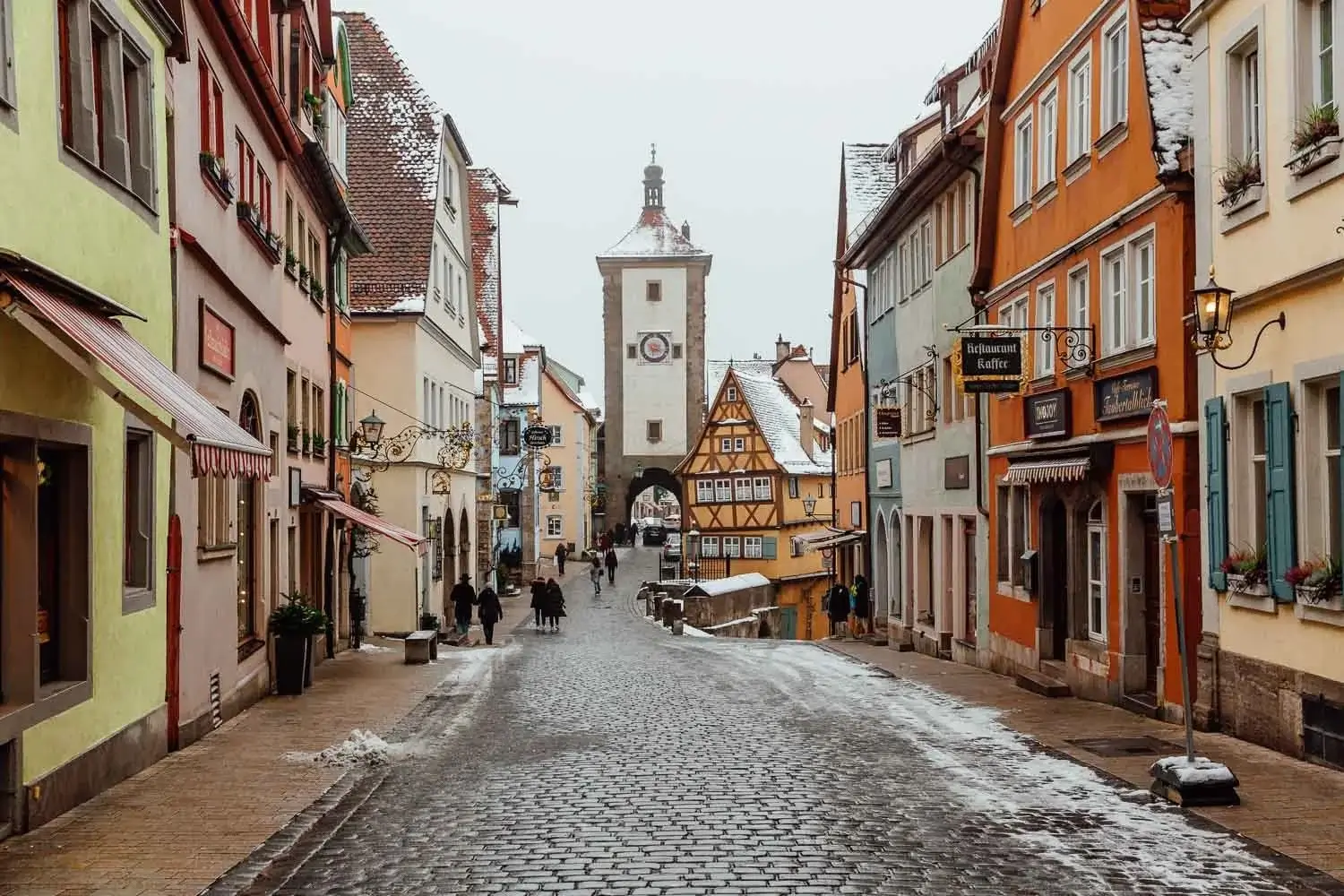
Rural Europe is experiencing a remarkable cultural revival. Once-declining villages in France, Spain, and Italy are attracting artists, writers, and remote workers. These groups are bringing new energy, creativity, and economic activity to areas that once faced depopulation.
Small towns had long struggled with youth migration, unemployment, and abandoned homes. In recent years, local governments and community groups have promoted the region’s heritage, scenic landscapes, and slower pace of life. These efforts are now paying off. Remote workers, especially, are choosing villages for their peaceful environments and affordable housing.
In France, villages in Provence and Normandy are seeing a surge of new residents. Old farmhouses are being renovated into studios, cafes, and co-working spaces. Local markets now feature artisanal goods, attracting both locals and tourists. The blend of traditional culture with modern lifestyles has made these towns appealing to a younger demographic.
Spain’s northern regions, such as Galicia and Asturias, are also witnessing this transformation. Local authorities offer incentives to artists and entrepreneurs who relocate there. Cultural festivals, music events, and craft fairs are becoming regular features. The new arrivals not only contribute economically but also help preserve local traditions and languages.
Italy’s small towns, particularly in Tuscany and Umbria, have long been known for their historical charm. Now, they are embracing modern creative industries. Writers, painters, and digital professionals are settling in these towns, opening galleries, workshops, and remote work hubs. The influx has rejuvenated local schools, restaurants, and public spaces, making them lively centers once again.
This cultural renaissance has broader benefits. Tourism has increased, boosting local businesses. Property values are stabilizing, and abandoned buildings are being restored. Communities report higher engagement as residents participate in cultural and social events. The revival is not just economic; it also strengthens the social fabric and sense of identity in these towns.
Experts say the trend is part of a larger shift in lifestyle preferences. Many people now prioritize quality of life over city conveniences. Remote work has enabled professionals to leave crowded urban centers for places where nature, heritage, and community are more accessible. This shift is likely to continue as digital connectivity improves and governments continue supporting rural development.
Local leaders are capitalizing on this movement. They are investing in infrastructure, such as faster internet, better transportation, and cultural centers. Training programs are being offered to teach new residents traditional crafts and sustainable farming techniques. These efforts ensure that growth benefits both newcomers and long-standing residents.
While the revival is encouraging, challenges remain. Some towns struggle with seasonal employment and maintaining public services. Integrating new residents without eroding local culture requires careful planning. Despite these hurdles, the overall trend suggests a promising future for Europe’s small towns.
The cultural renaissance of Europe’s villages demonstrates that rural areas can adapt and thrive in the modern era. By blending heritage with creativity and innovation, these towns are becoming attractive places to live and work. Artists, remote workers, and local communities are proving that small-town life in Europe can be vibrant, sustainable, and culturally rich once again.
