



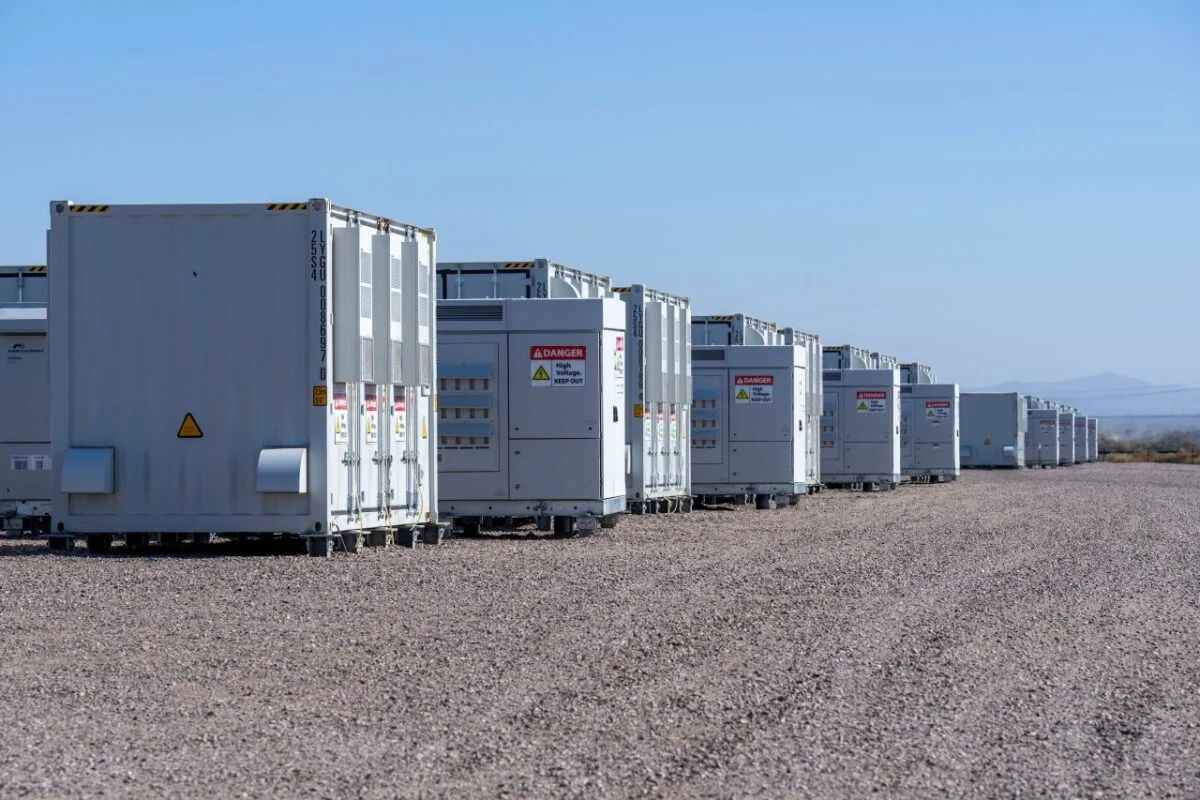
The U.S. Environmental Protection Agency (EPA) has announced nearly $69 billion in federal funding aimed at advancing clean energy, cutting greenhouse-gas emissions, and promoting environmental justice. The investment, made under the Inflation Reduction Act and Bipartisan Infrastructure Law, is expected to drive job creation, reduce energy costs, and benefit overburdened communities nationwide.
This large-scale funding marks a significant step toward a low-carbon economy. By supporting renewable energy projects, energy efficiency upgrades, and sustainable infrastructure, the EPA aims to reduce emissions while boosting economic opportunities.
The investment focuses on multiple areas. Clean energy initiatives, including solar, wind, and grid modernization, receive substantial support. These projects are designed to lower the nation’s carbon footprint while enhancing the resilience and reliability of the energy system.
Energy efficiency programs are another key focus. Upgrades to buildings, transportation, and industrial processes help reduce energy consumption, cut costs for households and businesses, and support climate goals. Communities with the greatest need stand to benefit most from these improvements.
The EPA emphasizes that overburdened communities are a priority. Many areas historically affected by pollution and environmental hazards will receive targeted funding to improve air quality, water infrastructure, and access to clean energy solutions.
Job creation is central to the plan. Investments in renewable energy, electric vehicle infrastructure, and sustainable construction are expected to generate tens of thousands of new jobs, fostering economic growth while advancing climate action.
Experts highlight that this federal funding provides clear signals to investors and the private sector. Large-scale support for clean energy projects reduces market uncertainty, encouraging additional investment and accelerating the transition to a sustainable economy.
The initiative also aligns with broader U.S. climate objectives. By supporting renewable energy, energy efficiency, and green infrastructure, the program helps the nation meet emissions reduction targets and positions communities to adapt to climate change impacts.
Equity and inclusion are built into the program. Funding prioritizes projects that deliver benefits to low-income and marginalized populations, ensuring that the transition to a clean energy economy is fair and accessible to all.
Municipalities and local organizations are key partners in implementing the programs. Collaboration ensures projects are tailored to local needs, enhancing both environmental outcomes and community engagement.
The scale of the investment demonstrates a commitment to long-term impact. By combining funding for energy, infrastructure, and community support, the EPA aims to create a lasting foundation for sustainable growth and climate resilience.
Analysts note that such large-scale funding can drive technological innovation. New approaches to energy storage, renewable integration, and grid management are expected to emerge, further supporting national sustainability goals.
In addition to environmental and economic benefits, the funding promotes social well-being. Communities with access to clean energy and improved infrastructure enjoy healthier living conditions, lower utility costs, and stronger resilience to climate-related challenges.
The EPA’s announcement reflects a growing recognition that federal investment is essential to achieving meaningful progress in climate action. Coordinated support for energy, jobs, and equity ensures that benefits are both measurable and widely distributed.
Overall, the $69 billion investment underscores the U.S. commitment to clean energy, climate justice, and sustainable development. By targeting emissions reductions, job creation, and community support, the initiative provides a model for large-scale, effective environmental action.
The funding also highlights the interconnection between energy, economy, and equity. Strategic federal programs can accelerate the transition to a low-carbon future while ensuring that communities most affected by pollution and climate risks receive the benefits they need.
