



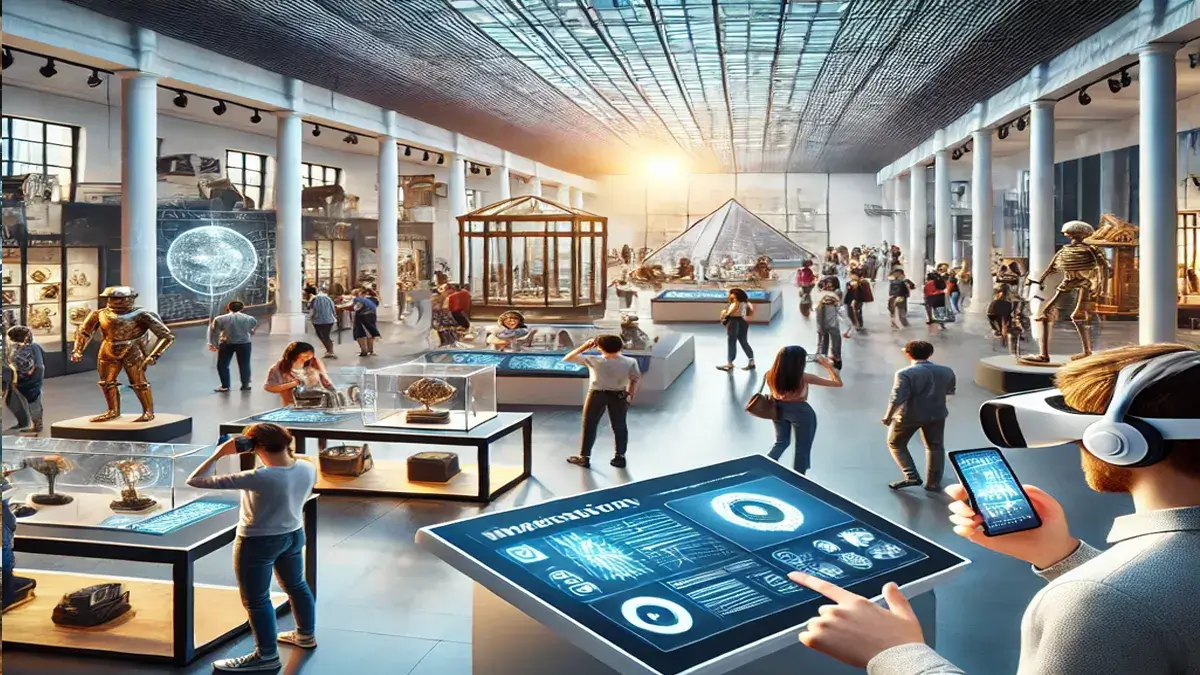
European museums are seeing a surge in attendance after launching new interactive exhibits. Cities like London and Barcelona reported record crowds this week. These exhibits make learning about history, science, and culture more engaging for visitors of all ages.
Museums have shifted from static displays to immersive experiences. Visitors can now touch, explore, and interact with exhibits. Many exhibits feature digital screens, hands-on activities, and storytelling elements that bring the subject matter to life.
Experts say interactive exhibits help visitors remember more and enjoy their museum trips. “When people can interact, they connect better with the content,” said a museum curator. “It makes learning fun and memorable.”
Families are among the most enthusiastic visitors. Parents reported that children stay engaged longer and ask more questions than usual. Some exhibits include science experiments, historical reenactments, and virtual reality experiences. These elements make the museums appealing not only to tourists but also to local communities.
The trend is also boosting ticket sales and memberships. Museums that introduced interactive elements saw a rise in online reservations and social media engagement. Many visitors share their experiences on platforms like Instagram, which helps attract even more people.
Local authorities note that interactive exhibits can stimulate cultural tourism. Cities hosting these exhibits have seen an increase in hotel bookings and restaurant visits. The combination of education and entertainment encourages visitors to spend more time exploring the city’s cultural offerings.
Cultural organizations are expanding their interactive programs after seeing the positive response. Plans include rotating exhibits, temporary workshops, and collaborative events with artists and scientists. These initiatives aim to keep the museum experience fresh and appealing.
Accessibility has also improved. Many museums now provide multilingual guides, audio tours, and touch-friendly displays. This ensures that visitors of all backgrounds and abilities can enjoy the interactive exhibits fully.
The success of these exhibits shows a broader shift in how museums engage the public. Traditional displays are being enhanced with technology, storytelling, and hands-on activities. Experts believe this approach will continue to draw visitors and increase interest in cultural education.
Visitors are encouraged to check museum websites before visiting, as some interactive exhibits require advance booking. Museums continue to innovate, offering new experiences that make learning enjoyable and memorable for everyone.
Interactive museum exhibits are redefining the cultural experience in Europe. By combining education with engagement, they are attracting larger crowds and inspiring visitors to explore history, science, and art in new ways.
