



U.S. retail landlords are seeing renewed demand as leasing activity rebounds, according to recent Q3 data. The report shows that landlords absorbed 5.5 million more square feet than they lost, signaling a strengthening retail real estate market.
Experts say this trend reflects growing confidence among retailers in the post-pandemic economy. Companies are expanding operations, opening new stores, and committing to long-term leases, demonstrating renewed optimism in the sector.
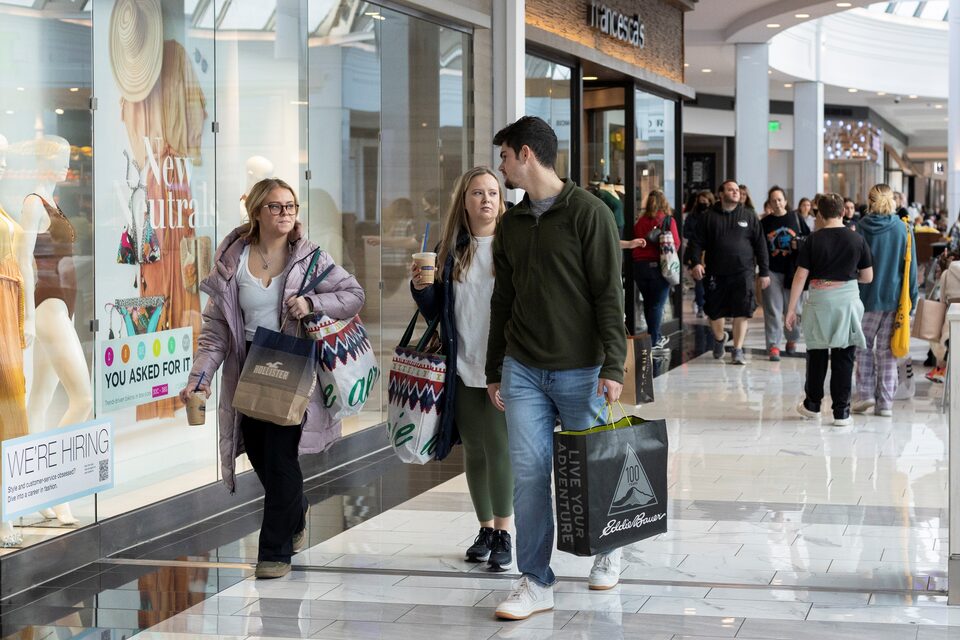
The increase in leased space comes as consumers continue to return to brick-and-mortar stores. Strong foot traffic, combined with holiday season preparations, is motivating retailers to secure prime locations to capture sales growth.
Commercial real estate analysts note that net absorption of space is a key indicator of market health. Positive absorption shows that demand exceeds available supply, which can support rental growth and improve investment returns for property owners.
Retailers across various sectors, including apparel, home goods, and specialty stores, are participating in the leasing activity. Many are taking larger spaces or signing multi-year contracts to accommodate expanded product lines and customer experiences.
The rebound in retail real estate is also helping stabilize regional markets. Areas that experienced vacancies during economic slowdowns are now seeing higher occupancy rates, encouraging landlords to invest in property improvements and tenant amenities.
Some experts attribute this resurgence to a combination of factors: consumer spending remains steady, retailers have adapted their business models to include omnichannel strategies, and commercial landlords are offering attractive lease terms to entice tenants.
Investors and landlords are closely watching these trends. Positive absorption can increase property values, improve cash flow, and signal a strong recovery in a sector that faced significant challenges in recent years.
The Q3 data suggests that retail real estate may continue its upward trajectory in the coming months. Landlords and tenants alike are benefiting from increased confidence, stronger demand, and a more stable leasing environment.
Analysts predict that as the holiday season approaches, retail leasing could see additional gains. Brands seeking to capture seasonal demand may accelerate lease signings, further strengthening the market.
Overall, the U.S. retail real estate sector is showing signs of resilience. With 5.5 million square feet of net absorption in Q3, landlords and investors are witnessing a return of confidence, highlighting renewed demand and a positive outlook for commercial retail spaces.
