



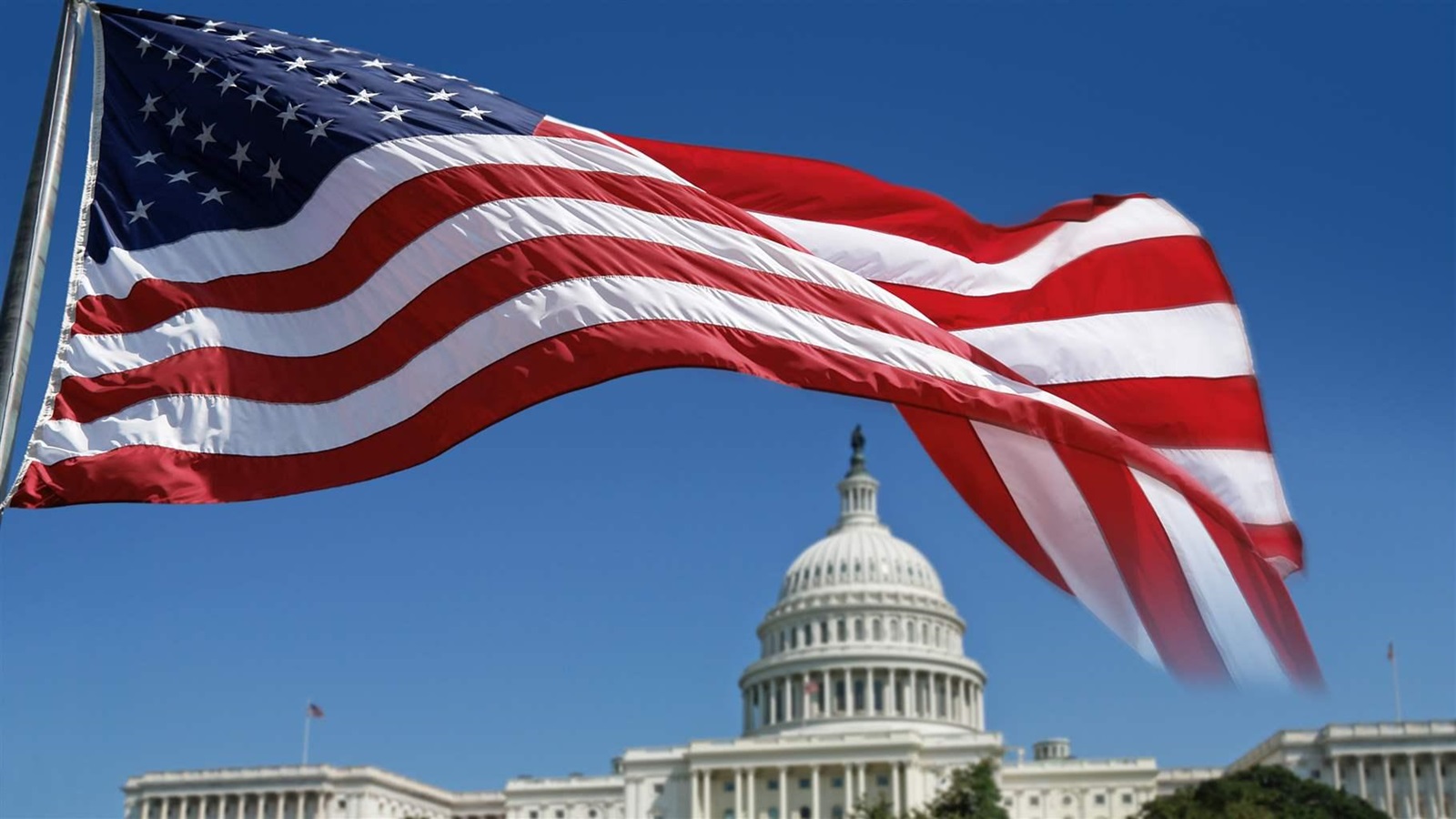
The U.S. Congress has approved a landmark bill to ensure universal broadband access across the country. The legislation aims to bridge the digital divide and provide reliable high-speed internet to underserved rural and remote areas.
Lawmakers emphasized that internet access is essential for education, healthcare, business, and economic growth. By expanding connectivity, the bill seeks to give all Americans equal opportunities in the digital age.
The initiative focuses on areas where broadband services are limited or non-existent. Rural communities often face challenges accessing high-speed internet, which can hinder education, telehealth, and business opportunities. This bill addresses those gaps directly.
Funding from the legislation will support infrastructure development, including laying fiber-optic cables, upgrading networks, and deploying satellite and wireless solutions in hard-to-reach areas. Officials expect the projects to significantly expand coverage over the coming years.
Education is a key priority. Students in remote areas will gain improved access to online learning resources, enabling better educational outcomes. Schools and libraries will also benefit from enhanced connectivity, supporting teachers and administrators in delivering digital lessons.
Healthcare services are another focus. Telehealth programs rely on fast, stable internet connections. With improved broadband access, rural patients can consult with doctors remotely, access medical records, and receive timely care without traveling long distances.
Economic growth is expected to follow. Small businesses and entrepreneurs in underserved regions will gain access to e-commerce platforms, digital marketing, and online services, boosting local economies. High-speed internet also attracts investment and encourages innovation in rural communities.
The bill includes measures to make internet services affordable. Subsidies and incentive programs will help low-income households gain access, ensuring the benefits of connectivity are widespread and equitable.
Industry experts highlight the long-term impact of universal broadband. Increased connectivity can improve social inclusion, reduce inequality, and foster stronger community engagement. Residents will have better access to news, public services, and government programs online.
Implementation will involve federal, state, and local partnerships. Coordination across multiple levels of government will help ensure efficient deployment of broadband infrastructure and maximize the reach of services.
Advocates praised Congress for passing the legislation, noting it as a critical step toward closing the digital gap. Expanding internet access nationwide is seen as essential for competing in the global economy and supporting innovation.
Overall, the universal broadband access bill marks a major milestone in U.S. technology and infrastructure policy. By connecting underserved communities, enhancing education, improving healthcare access, and supporting economic development, the legislation promises lasting benefits for millions of Americans.
