



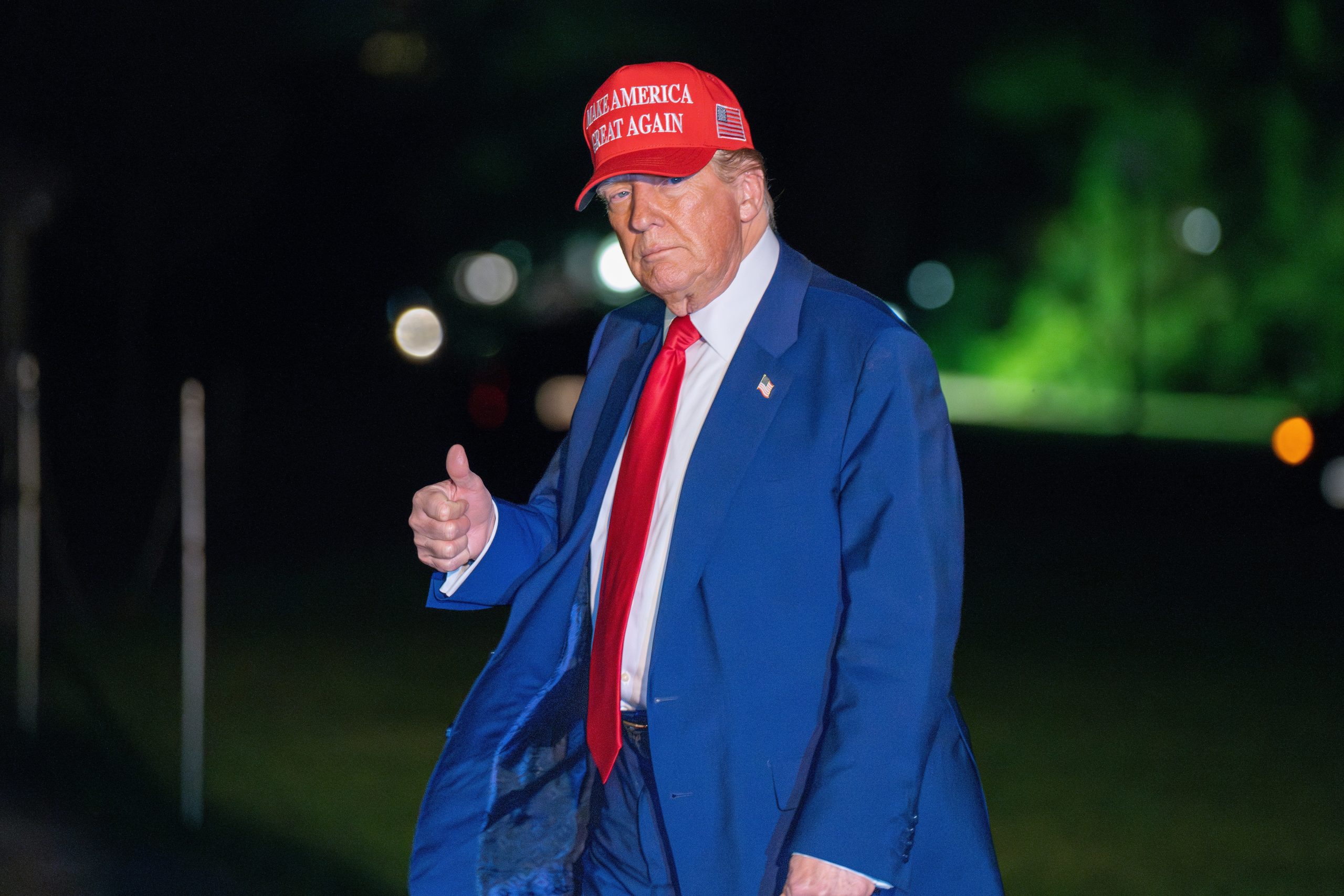
President Trump publicly demanded Attorney General Pam Bondi prosecute figures he calls his enemies.
He named James Comey, Adam Schiff, and Letitia James, claiming they are “all guilty as hell.”
Trump said prosecutors must act fast, framing the demand as urgent for national credibility.
Ouster of U.S. Attorney Escalates Pressure
Trump removed Erik Siebert, U.S. attorney for Eastern Virginia, after he declined to charge James or Comey.
Trump plans to nominate Lindsey Halligan, his personal legal team member, to replace Siebert.
Halligan has no prior prosecutorial experience, raising concerns about political influence over the Justice Department.
Broader Targeting of Federal Prosecutors
Trump’s allies reportedly pressured Kelly Hayes, U.S. attorney in Maryland, overseeing cases against Schiff and John Bolton.
Hayes signed a warrant for Bolton but refused to charge Schiff without supporting evidence.
Trump’s campaign against U.S. attorneys extends earlier efforts to purge political opponents from DOJ and FBI offices.
Implications for Justice System Integrity
Trump’s demands threaten the independence of 93 federal prosecutor offices across the U.S.
Experts warn his actions could create a path for politically motivated prosecutions or case delays.
Observers compare his approach to past controversial U.S. attorney firings, but Trump appears unrestrained by precedent.
Retribution and Legal Norms Under Fire
Trump emphasized speed and retribution, stating prosecutors must act “one way or the other” regarding his critics.
His orders mark a significant breach of prosecutorial norms established since Watergate.
The move signals that Trump prioritizes personal revenge over traditional Justice Department independence.
