



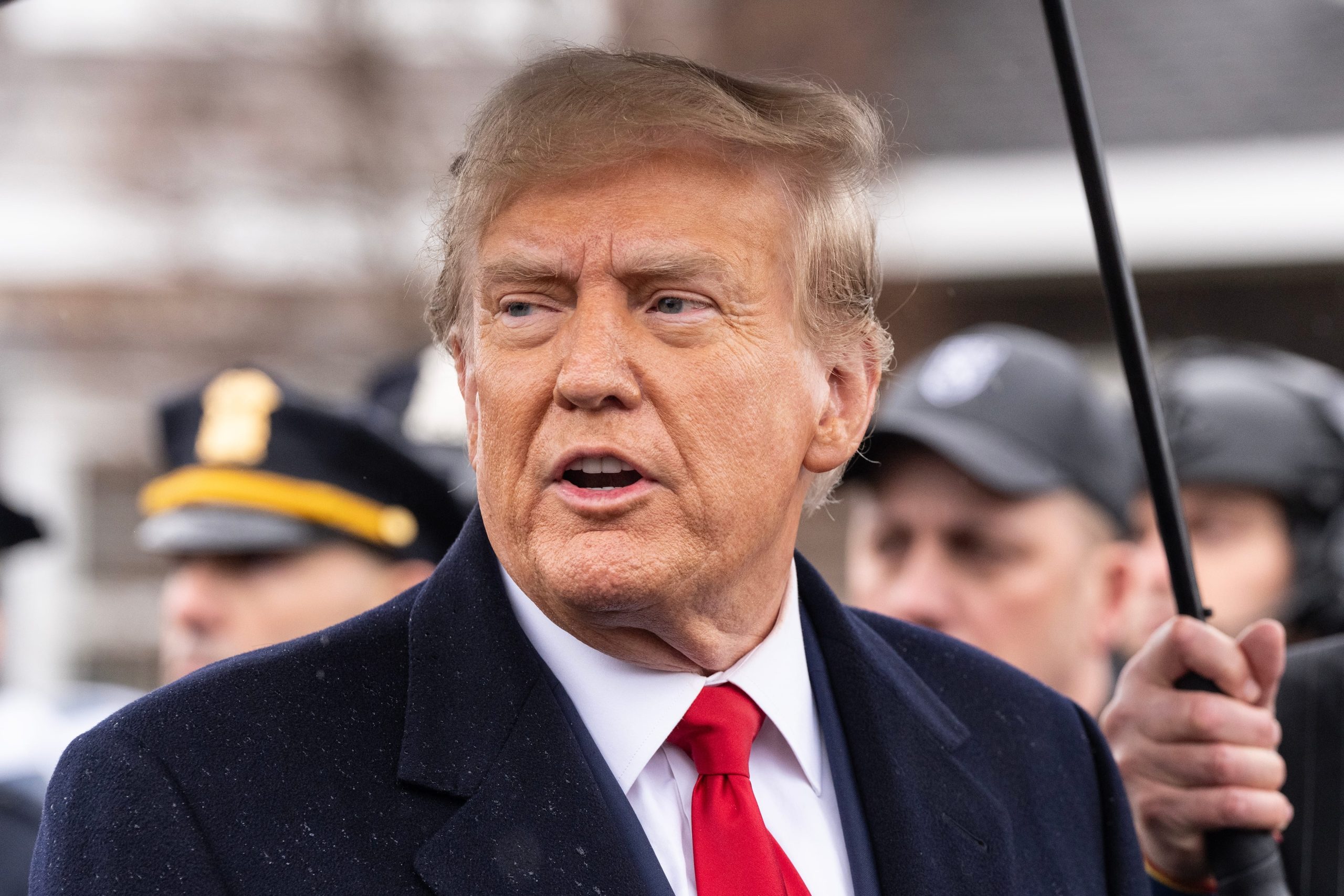
US President Donald Trump met Chinese leader Xi Jinping for the first time in six years, sparking hopes of easing tensions between the two biggest economies. Trump called the talks in South Korea “amazing”, while Beijing said both sides reached a consensus to solve “major trade issues.” Relations had soured since Trump imposed tariffs on China, prompting swift retaliation from Beijing. Though the two agreed to a truce in May, tension stayed high.
Thursday’s meeting did not bring a formal deal, but the tone suggested progress. Behind closed doors, negotiators have long been struggling over key trade terms. Trade pacts usually take years to finalize, yet Trump’s swift tariff policy has forced countries to negotiate within months. Many of those affected are in Asia, where Trump spent recent days pushing his agenda.
Rare earths and soybeans mark tentative progress
China agreed to suspend export restrictions on rare earth minerals vital for making smartphones and fighter jets. This move marked a clear win for Trump after his discussion with Xi. A jubilant Trump told reporters aboard Air Force One that China would immediately buy “tremendous amounts of soybeans and other farm products.” Beijing’s retaliatory tariffs had stopped American soybean imports, hitting US farmers hard — a key voter base for Trump.
US Treasury Secretary Scott Bessent said China would buy 12 million metric tonnes of soybeans this season and at least 25 million tonnes annually for the next three years. Following the meeting, Washington also announced it would ease some tariffs linked to ingredients used in making fentanyl, a drug whose flow into the US Trump has blamed partly on China, Canada, and Mexico.
Sean Stein, president of the US-China Business Council, described the progress on tariffs and rare earths as the most meaningful outcome of the talks. He said this new stability gives companies time to work with both governments on long-standing trade issues. However, other tariffs remain, keeping import taxes on Chinese goods above 40 percent for US buyers.
More positively for Beijing, Trump said China could now hold talks with Jensen Huang, the head of US tech giant Nvidia. The company sits at the heart of the nations’ battle over AI chips. China wants advanced chips, while Washington limits access over security concerns. Xi also invited Trump to visit China in April, signaling warmer relations. Yet, there was no progress on TikTok, whose US operations remain a major sticking point.
China keeps calm while Trump pushes optimism
The meeting revealed a sharp contrast between both leaders’ styles. Xi spoke little beyond his prepared remarks, projecting control and confidence. China entered talks with a strong position, having reduced its dependence on the US and strengthened ties with other partners. Afterward, Xi said the two sides would pursue results that act as a “reassuring pill” for both economies.
Trump, by contrast, spoke freely but appeared more tense than during earlier stops on his Asia tour. The setting matched the mood — no gold palaces or military parades, just a modest airport building surrounded by security. Behind closed doors, though, the 80-minute conversation was the most consequential moment of Trump’s trip.
Henry Wang, a former adviser to China’s State Council, told a London radio program that the talks “went very well.” Though no formal deal was reached, he said both sides had built “a framework and structure” for future progress, calling it “a good start.”
