



Meta has launched new smart glasses powered by artificial intelligence. The company aims to make them everyday essentials worldwide.
Showcase at Meta Connect
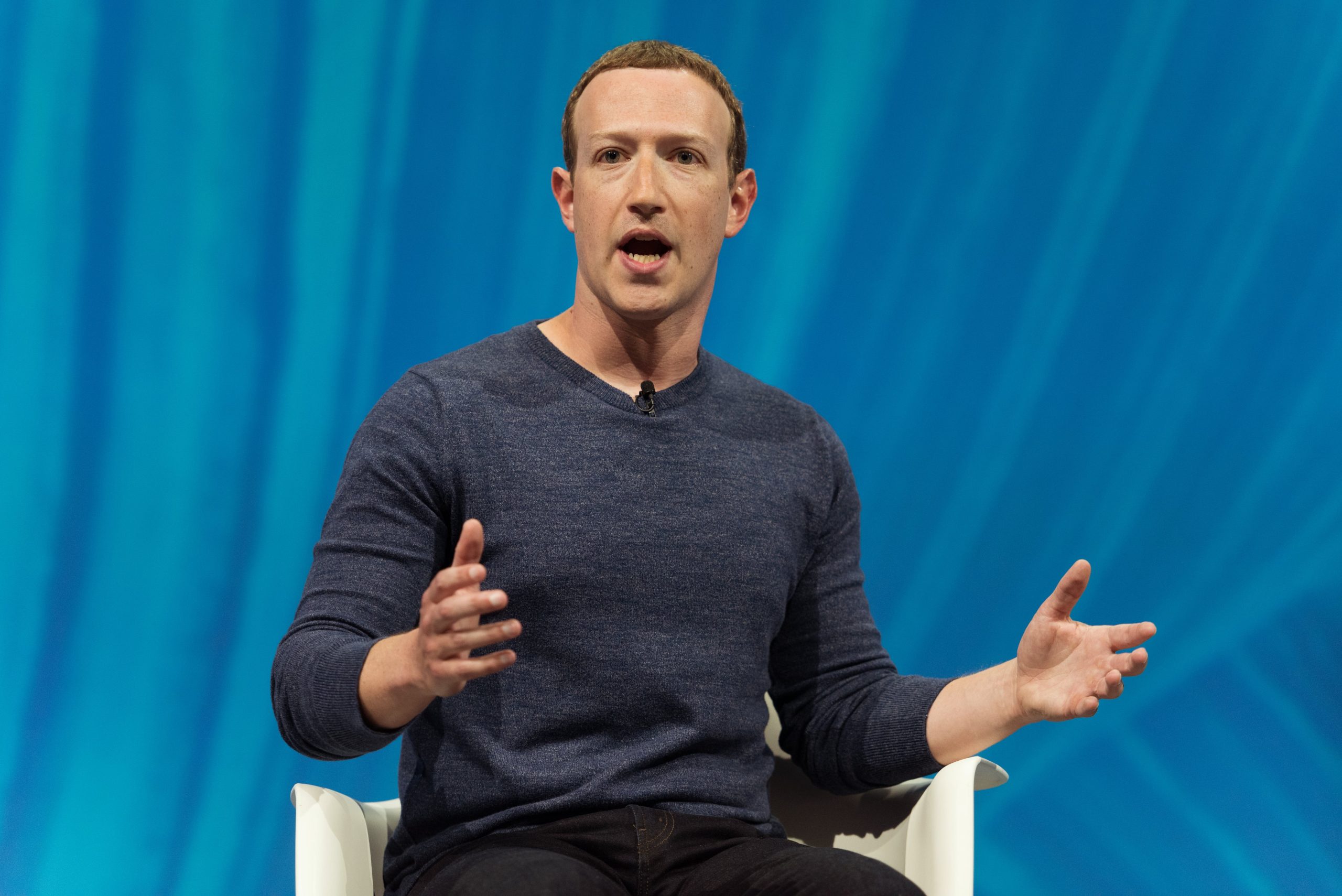
At the Meta Connect developer conference, CEO Mark Zuckerberg introduced several devices in partnership with Ray-Ban and Oakley. The company also revealed a neural wristband. It links with the Meta Ray-Ban Display glasses and enables users to send messages through subtle hand gestures.
The unveiling came as Meta continues to face criticism over the influence of its products. Concerns focus especially on risks to children. Zuckerberg described the innovation as a “major scientific breakthrough.” He spoke before hundreds of attendees at the Silicon Valley campus.
What the new glasses can do
The Meta Ray-Ban Display includes a full-color, high-resolution screen built into one lens. Users can make video calls and view messages. The glasses also carry a 12-megapixel camera.
Zuckerberg hopes the glasses will serve as a key gateway for Meta AI in daily life. Analysts suggest the product has more potential than the company’s costly Metaverse project. Virtual worlds have struggled to attract large user bases.
“Unlike VR headsets, glasses are lightweight and practical,” said Forrester Research Director Mike Proulx. He added: “Meta must still prove the value to those who hesitate over price and purpose.”
Pricing and market outlook
Meta has not released official sales numbers. Industry estimates suggest around two million smart glasses sold since 2023. The new Display glasses launch this month at $799, about £586. They cost far more than Meta’s current models.
Leo Gebbie from CCS Insight doubts the Display version will match the success of earlier products. “The Ray-Bans thrived because they’re simple, discreet, and affordable,” he explained.
Zuckerberg also introduced Oakley Meta Vanguard glasses for sports fans at $499. The company unveiled the second generation of Ray-Ban Meta glasses, priced at $379.
Massive AI spending spree
Meta is investing huge sums to strengthen its AI operations. In July, Zuckerberg announced hundreds of billions for new US data centers. One site will span nearly the size of Manhattan.
The company is also hiring top specialists away from competitors. Its goal is to create “superintelligence,” artificial intelligence capable of surpassing human thinking.
Parents and activists raise concerns
On Wednesday, parents and activists protested outside Meta’s New York headquarters. They demanded stricter protections for children on the company’s platforms.
Last week, two former Meta safety researchers testified in the US Senate. They claimed Meta concealed potential risks to children in its virtual products. Jason Sattizahn and Cayce Savage said the company blocked research that might reveal harm.
Meta denied the accusations and dismissed them as “nonsense.”
