



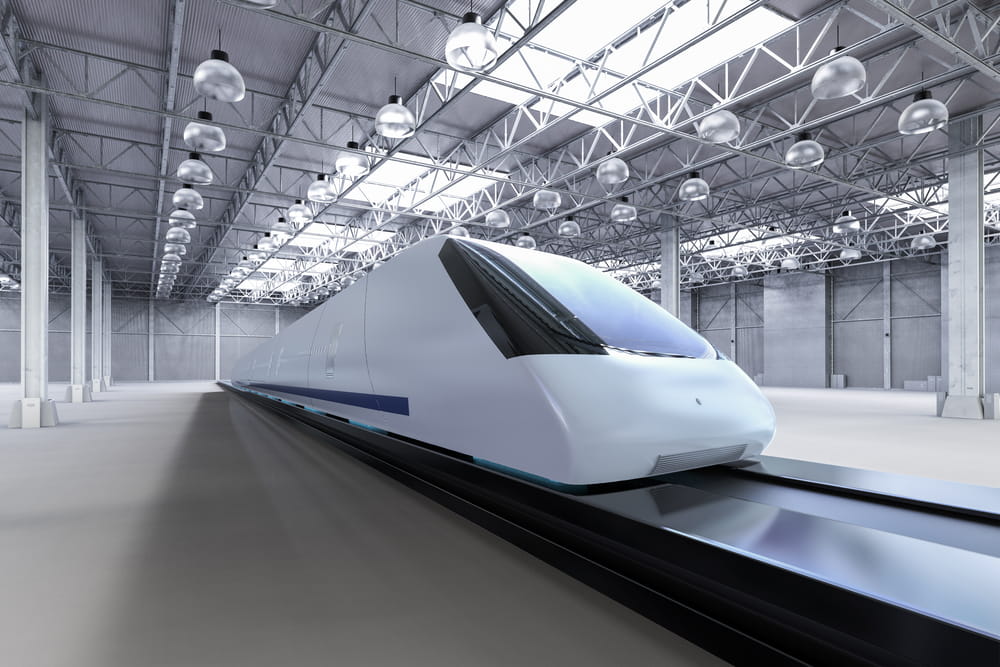
Japan is developing the L0 Series maglev, a next-generation train expected to reach speeds of up to 603.5km/h, making it the fastest train ever built. Using magnetic levitation technology, the train floats above the track, drastically reducing friction and allowing unprecedented speeds.
The L0 Series will operate on the Chuo Shinkansen line, cutting travel time between Tokyo and Nagoya to about 40 minutes, and eventually linking Tokyo, Nagoya and Osaka into a single mega-region. A full Tokyo–Osaka journey could take just one hour.
However, the project comes at a huge cost – around £52bn (€60bn) so far – and has been delayed, with operations now expected in the mid-2030s.
While the idea excites rail fans, experts are sceptical about whether such a train could work in Europe or the UK. Maglev systems require entirely new infrastructure, mostly in tunnels, cannot use existing rail lines, consume far more energy, and carry fewer passengers than conventional high-speed trains. European rail travel also places more emphasis on comfort, capacity and scenic routes, rather than ultra-short journey times.
As a result, while Japan’s maglev may redefine high-speed travel at home, its chances of appearing on European tracks remain slim.
