



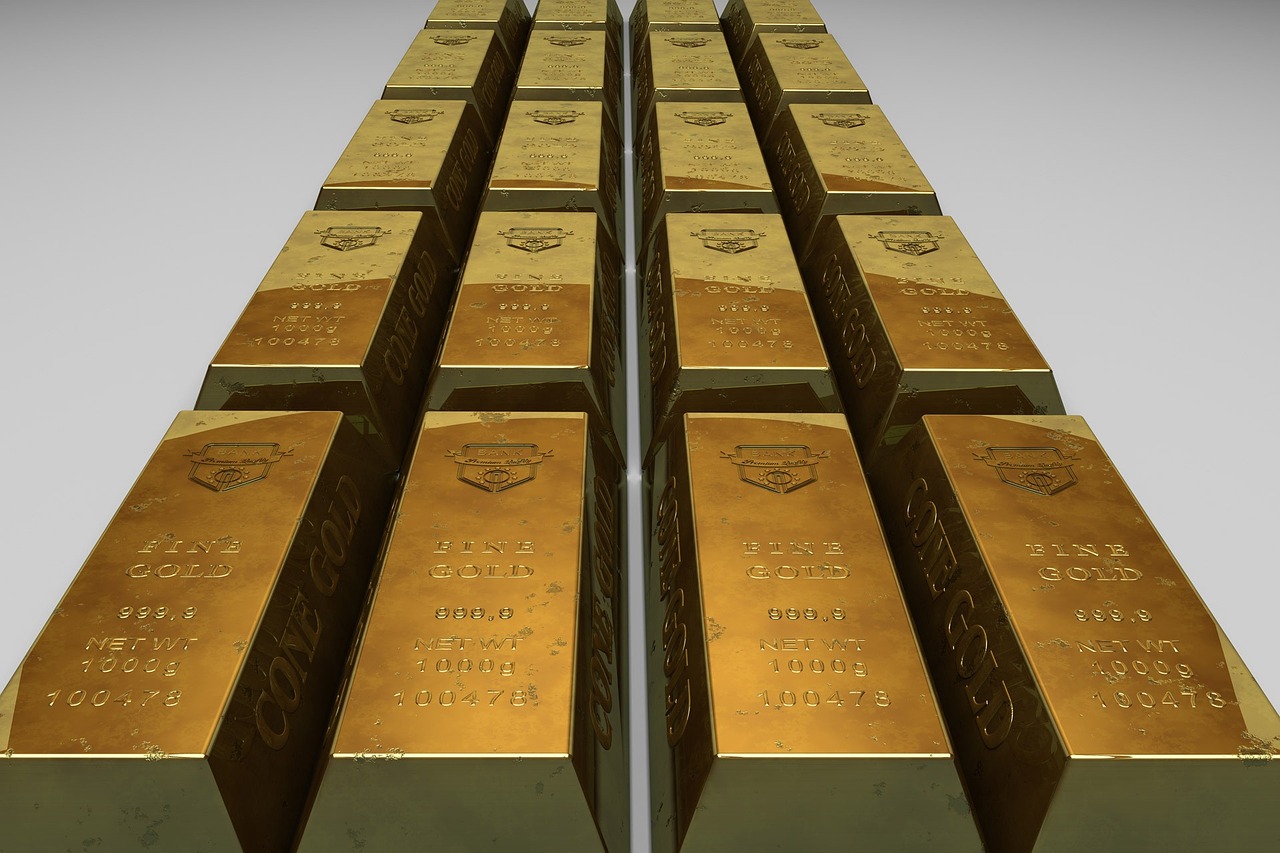
The price of gold has soared to a record high of more than $4,000 (£2,985) an ounce. Investors are rushing to secure their money amid growing economic and political instability around the world. The precious metal has experienced its strongest rally since the 1970s, climbing by about a third since April when US President Donald Trump announced new tariffs that disrupted global trade.
Investors seek safety amid US shutdown and global tension
Analysts say the ongoing US government shutdown, now in its second week, has added to investor anxiety. The delay in releasing key economic data is fueling uncertainty. Gold, traditionally viewed as a safe haven, tends to hold or increase its value in times of market turbulence. On Wednesday afternoon in Asia, the spot price of gold — the real-time value for immediate delivery — rose to over $4,036 an ounce. Gold futures, which indicate market sentiment, reached the same level on 7 October. Futures contracts allow traders to buy or sell gold at a fixed date in the future.
Shutdown gives gold prices a powerful boost
Christopher Wong, rates strategist at OCBC in Singapore, described the US shutdown as a “tailwind for gold prices.” Repeated political stalemates over public spending have pushed investors toward safe assets. During Trump’s first term, gold gained nearly 4% during a month-long shutdown. However, Wong warned that prices might fall if the current impasse ends sooner than expected.
A rally beyond expectations
Heng Koon How, head of markets strategy at UOB Bank, said gold’s “unprecedented rally” in the past month has exceeded all forecasts. He linked the surge to the weakening US dollar and a rise in purchases by retail investors. Not everyone buying gold takes physical possession. Many prefer financial instruments like exchange-traded funds (ETFs) backed by gold. According to the World Gold Council, a record $64 billion has been invested in gold ETFs this year alone.
From banks to families, everyone turns to gold
Gregor Gregersen, founder of Silver Bullion, a precious metals dealer and storage provider, reported that customer numbers have more than doubled in the last year. He said retail investors, banks, and wealthy families increasingly view gold as protection against global instability. “Most of our clients are long-term holders,” Gregersen explained, noting that many store their gold for more than four years. “Gold will fall at some point, but given the current environment, it’s on an upward trend for at least five years,” he added.
Risks remain for the glittering metal
Gregersen and others caution that gold prices can drop. OCBC’s Wong noted that prices might fall if interest rates rise or geopolitical tensions ease. In April, for example, gold fell about 6% after Trump decided against firing Federal Reserve Chair Jerome Powell. “Gold acts as a hedge against uncertainty, but the hedge can be unwound,” he said.
In 2022, gold’s value plunged from $2,000 to $1,600 an ounce when the US central bank raised interest rates to curb post-pandemic inflation, said UOB’s Heng. A sudden return of inflation could again push the Federal Reserve to raise rates, posing a risk to gold’s current rally.
Fed pressure and the politics of gold
Wong said the recent climb reflects expectations that the Fed will soon lower interest rates, making gold more appealing. Meanwhile, Trump has intensified his criticism of the Fed, accusing Powell of acting too slowly and attempting to remove Fed Governor Lisa Cook. Such political pressure, Wong warned, “can weaken confidence in the Fed’s credibility as an inflation-targeting institution.” In this tense atmosphere, he added, gold’s role as a hedge against uncertainty “gains renewed importance.”
