



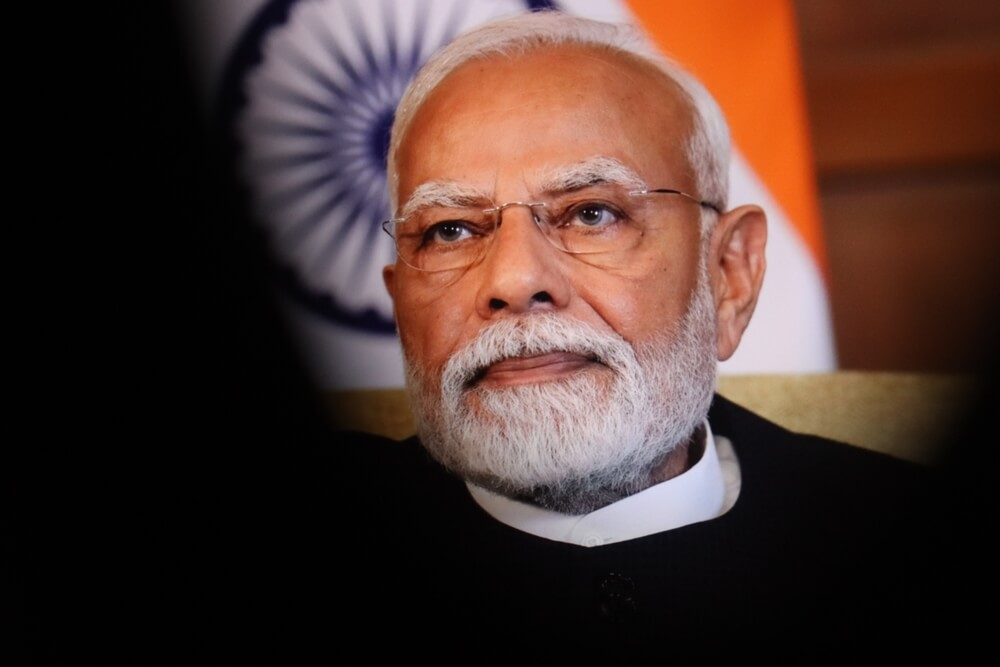
Germany is leading efforts to expand Europe’s trade network, pushing for both the Mercosur deal with South America and a potential free trade agreement with India. Chancellor Friedrich Merz expressed optimism that EU leaders could sign the pact with New Delhi by the end of January, just days after most EU countries approved the controversial Mercosur agreement.
Merz Calls for Action on India Trade Deal
Speaking during a visit to India, Merz stressed the importance of free trade in a world increasingly marked by protectionism. “Unfortunately we are seeing a renaissance of protectionism. It is directed against the principles of free trade and open markets,” he said. He added that European Commission President Ursula von der Leyen and European Council President Antonio Costa could travel to India later this month to finalize the agreement.
Merz described India as “the fastest growing economy of the G20” and a “pivotal partner in the Indo-Pacific,” highlighting Europe’s strategy to diversify trade beyond the US and China, two countries that have recently pursued nationalist economic policies.
Challenges in Negotiations: Sustainability and Carbon Rules
The trade talks with India have faced hurdles, particularly around sustainability measures and the EU’s Carbon Border Adjustment Mechanism. India has been cautious about green regulations that could limit its exports, while both sides are navigating a tense global trade environment, including rising tariffs from the US and China’s attempts to leverage dependencies on key raw materials.
Despite these challenges, Merz expressed confidence that the negotiations have reached a final stage and that signing the deal would signal “an encouraging step” toward future free trade agreements.
Mercosur Controversy Fuels French Political Tensions
While Germany pushes forward, the Mercosur deal has sparked unrest in France, where farmers fear a flood of Latin American imports could hurt their livelihoods. The controversy has heightened tensions for President Emmanuel Macron, with opposition parties on both the far-left and far-right calling for a vote of no confidence.
Meanwhile, von der Leyen is scheduled to travel to Paraguay on 17 January to formally sign the Mercosur agreement, showing the EU’s commitment to its trade diversification agenda despite internal disputes.
