



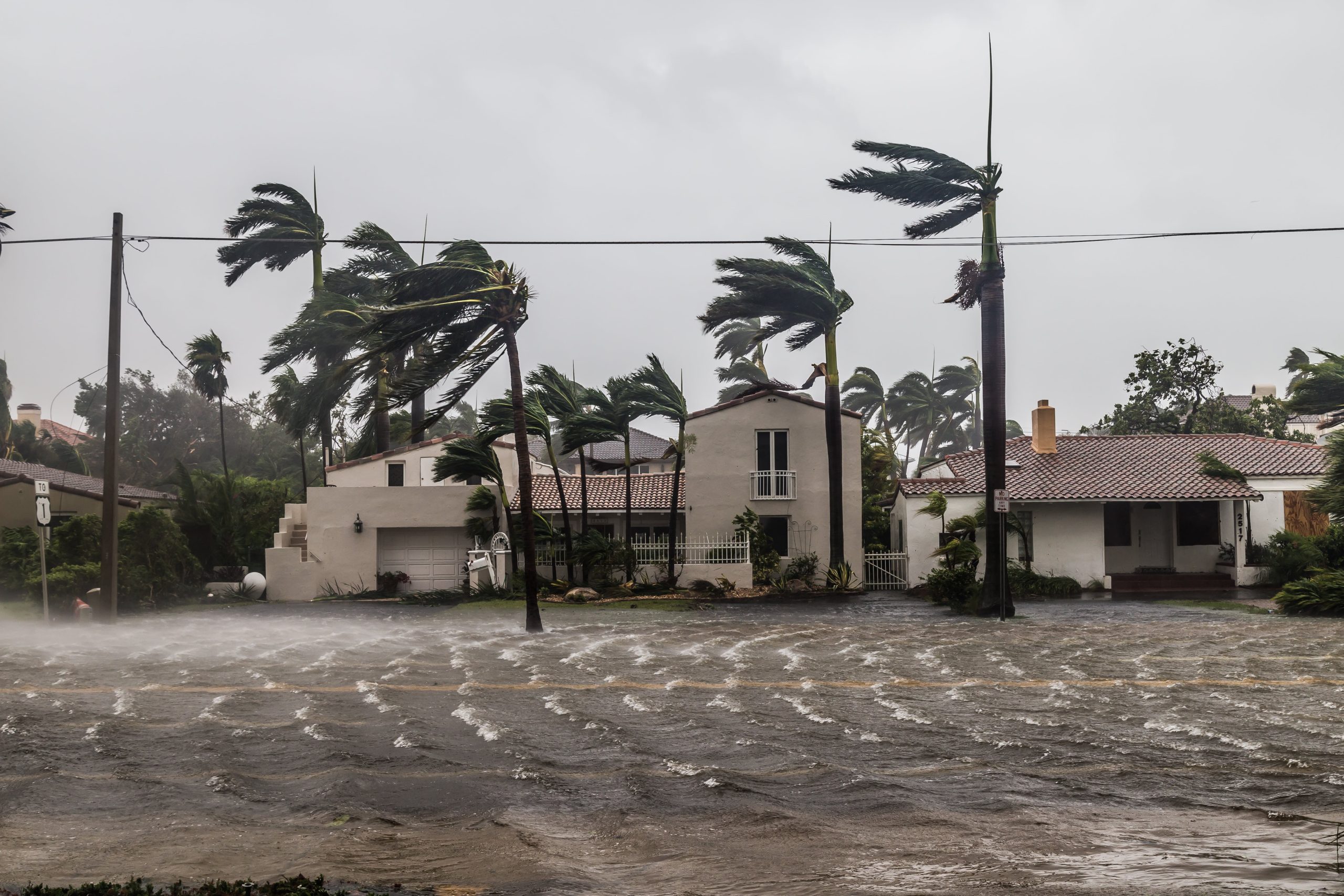
Hurricane Melissa made landfall early Wednesday near Chivirico in Santiago de Cuba with winds reaching 193 kilometres per hour. The powerful Category 3 storm struck after pummelling Jamaica, leaving widespread destruction across the Caribbean.
Cuban President Miguel Díaz-Canel confirmed that authorities evacuated more than 700,000 residents ahead of the storm. Forecasters warned that Melissa would cause severe damage across Santiago de Cuba and nearby provinces. The hurricane is expected to generate storm surges up to 3.6 meters and drop as much as 51 centimetres of rain across eastern Cuba.
US forecasters cautioned that intense rainfall could trigger life-threatening floods and landslides. By Wednesday afternoon, Melissa was forecast to move north toward the Bahamas, while a hurricane watch remained in effect for Bermuda.
Cuba Faces Humanitarian and Economic Strain
As the storm battered eastern Cuba, Díaz-Canel addressed the nation on television, pledging full government support. “There will be a lot of work to do. We know there will be great damage,” he said. “No one will be left behind, and no resources will be spared to protect lives.”
He warned citizens not to underestimate Melissa’s strength, calling it “the most powerful hurricane ever to strike our national territory.” The disaster threatens to deepen Cuba’s severe economic crisis, already marked by prolonged power outages, food shortages, and inflation.
Officials suspended classes in multiple provinces from Guantánamo to Camagüey to ensure public safety. Emergency crews worked through the night to reinforce shelters and protect infrastructure.
Díaz-Canel’s government faces growing pressure to manage recovery efforts quickly while addressing long-term economic instability. The president emphasized unity and resilience, urging Cubans to remain cautious and cooperative throughout the crisis.
Jamaica Begins Recovery After Widespread Destruction
While Cuba faced the brunt of the storm, Jamaica began assessing the destruction left behind. Disaster officials reported heavy flooding in Clarendon and St. Elizabeth, where entire communities were submerged. “St. Elizabeth is under water,” said Desmond McKenzie, deputy chairman of Jamaica’s Disaster Risk Management Council.
The hurricane damaged four hospitals, knocking out power to one and forcing the evacuation of 75 patients. More than half a million Jamaicans lost electricity as downed trees and power lines crippled the grid.
Authorities planned to reopen airports by Thursday to expedite the delivery of emergency aid and supplies. The government confirmed that seven people have died across the Caribbean — three in Jamaica, three in Haiti, and one in the Dominican Republic — while another person remains missing.
As relief operations expand across the region, both Jamaica and Cuba brace for the long and costly task of rebuilding after one of the Atlantic’s most powerful storms in recent history.
