



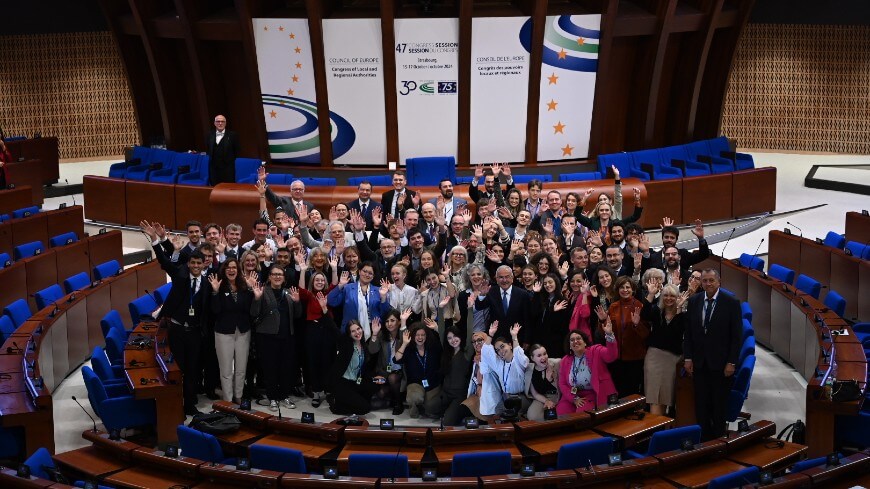
Europe is seeing a new wave of civic engagement as young people step up to shape their communities. Increasing numbers of youth are joining local councils, volunteering, and leading projects that strengthen democratic life. Experts say this trend reflects a growing interest in active citizenship among the next generation.
In cities from Paris to Warsaw, local councils report higher attendance from young citizens. Many are not only voting but also contributing ideas for urban planning, cultural events, and environmental initiatives. Officials note that these projects often bring fresh perspectives and inclusive solutions that older programs sometimes miss.
Surveys show that voters aged 18 to 30 are participating in elections at levels not seen in decades. This group is driven by issues such as climate change, housing, and digital innovation. Their engagement goes beyond voting; they attend town meetings, join policy discussions, and even collaborate on community budgets. In Amsterdam, a youth advisory board was recently established to provide input on city policies. Members suggested improvements in public transport, green spaces, and affordable housing, and more than half of their recommendations have already been implemented.
Beyond politics, young Europeans are active in community projects. From urban gardening in Berlin to cultural festivals in Madrid, these initiatives strengthen social bonds and encourage participation. Many projects also focus on sustainability, reflecting young people’s concern for the environment. Volunteering has surged as well. Organizations across Europe report an influx of youth interested in social work, mentorship programs, and civic education. These efforts help build more transparent and accountable local institutions.
Technology and social media play a major role in this revival. Young citizens use online platforms, mobile apps, and social networks to discuss local issues, mobilize support, and track municipal projects. Cities such as Stockholm and Lisbon now allow residents to vote online on budget priorities and community initiatives. Experts say that these tools create direct channels between citizens and policymakers, increasing both participation and transparency.
Despite these positive trends, challenges remain. Some cities face barriers such as political apathy, limited resources, or bureaucratic hurdles. Not all young citizens feel equally represented, and participation rates differ across regions. To address this, local governments have introduced mentorship programs, youth councils, and civic workshops. These initiatives aim to ensure that young voices continue shaping policies and community projects.
The involvement of youth in local governance is revitalizing democracy in Europe. Civic engagement, innovative community projects, and technological participation are changing how cities function. Experts believe that fostering this momentum can strengthen democratic institutions, promote social cohesion, and inspire future leaders. Cities that embrace youth involvement are setting a model for participatory governance. The revival of local democracy highlights the power of young citizens to create meaningful change.
Europe’s youth are proving that democracy is not just a legacy but a living process. Their energy, creativity, and commitment are shaping cities and communities for the better. As this movement continues to grow, it may inspire similar efforts in other regions, ensuring that local democracy remains strong for generations to come.
