



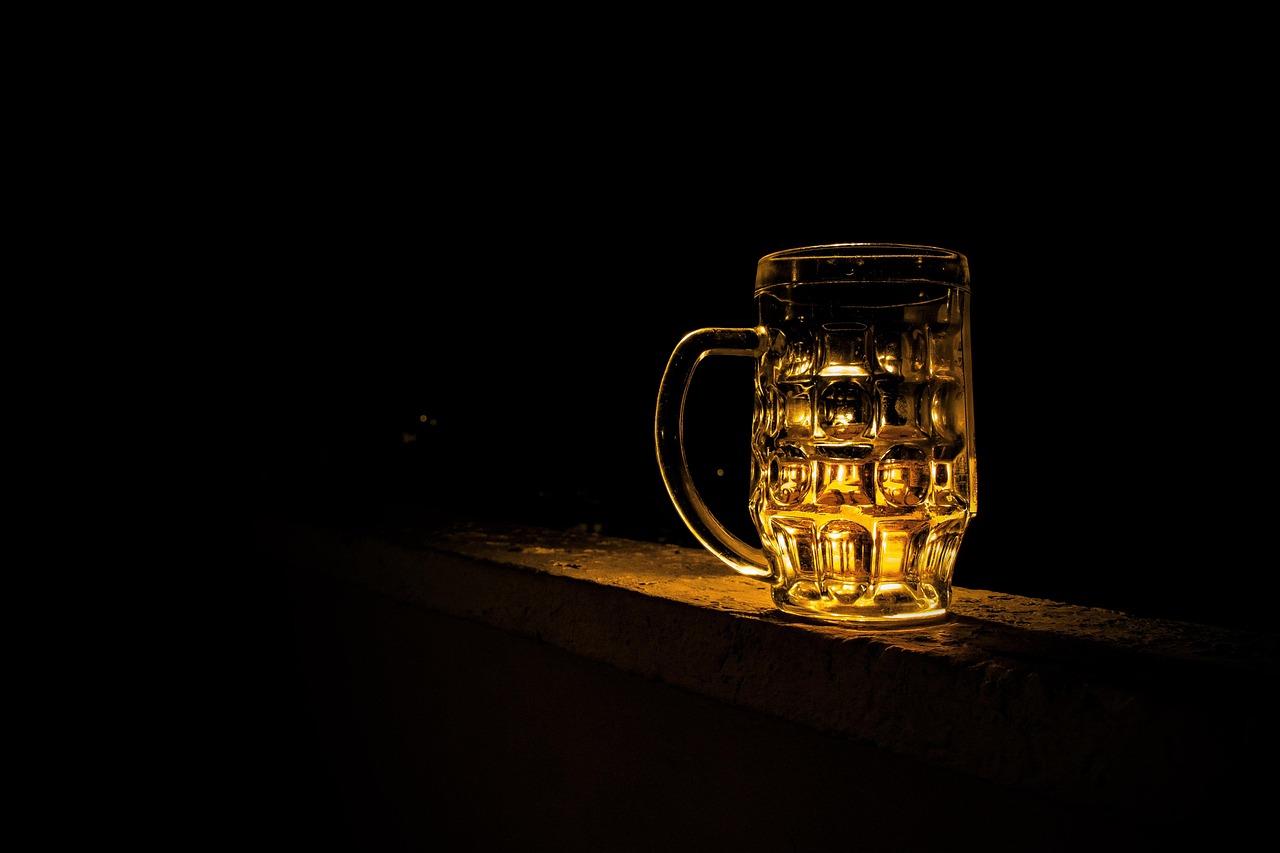
Germans are drinking less traditional beer, but non-alcoholic varieties are enjoying a record surge. The federal statistics office reports that alcohol-free beer sales have more than doubled since 2013, rising by 109 percent. At the same time, overall beer sales have hit their lowest level in over three decades.
For the first time, sales dropped below four billion liters in a half-year period. Between January and June 2025, German breweries sold around 3.9 billion liters. That marks a decline of 6.3 percent, or 262 million liters, compared with the same period in 2024.
breweries adapt to new habits
The Erdinger brewery near Munich has been brewing since the 1880s. Chief executive Stefan Kreisz says drinking habits are changing. Today, about a quarter of Erdinger’s production is alcohol-free.
He believes breweries must make even non-alcoholic beer attractive to younger generations. “You need to understand how they meet and how they celebrate together. No algorithm tells you to drink a beer now,” he explains.
Kreisz sees German beer culture as resilient. Erdinger now promotes alcohol-free beers at sporting events, presenting them as a natural alternative to energy drinks.
young people drink more consciously
At Café Kosmos in Munich, barman Louis von Tucher notices his guests care more about health. “In the 2000s, people reacted badly if you suggested they drink water,” he recalls. “Now everybody is a bit more conscious about their consumption. People still drink alcohol, but they do it more carefully and choose alcohol-free options in between.”
Still, von Tucher sees clear limits to the trend. “It’s only a slight shift,” he says. “We sell between 150 and 500 liters of normal beer at night, but just around 20 liters of alcohol-free. There’s still a big gap.”
tradition remains strong at festivals
At the Sandkerwa folk festival in Bamberg, beer traditions look alive and thriving. The five-day event fills the medieval streets with musicians, sausage stands and endless beer stalls serving thousands of visitors.
In the old town, Pascal drinks a beer with a friend. “Beer is very important for the city. We have many breweries here. People come for the beer and for the fest. I don’t believe beer consumption here is lower than before,” he says.
Magdalena, a student, shares that view. Standing outside a beer garden, she points to the crowds. “Everybody has a glass of beer in their hand. Beer is a huge part of daily life here, even if it’s unhealthy. We all know that,” she admits. “In my generation, people drink less on a daily basis, but it’s still Germany, and it’s still Bavaria.”
