



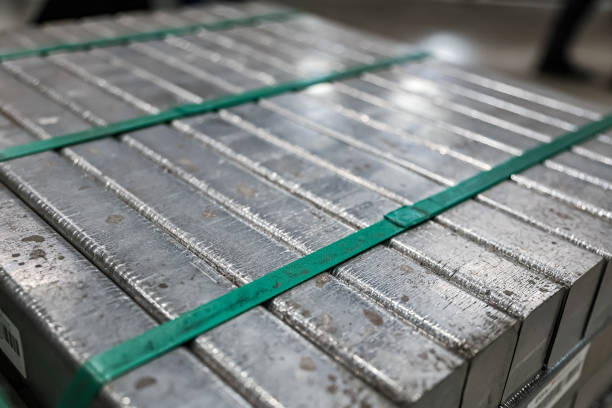
Aluminium prices fell on Friday as zinc, nickel, and lead also declined. Investors reacted to reports that US President Donald Trump may soften tariffs on metal imports. Markets priced in the potential policy shift ahead of November’s midterm elections.
The three-month aluminium contract on the London Metal Exchange dropped more than 2.5% to $2,965.75 per tonne by midday. On the Shanghai Futures Exchange, the most active contract declined 1.76% to 23,195 yuan per tonne.
Industrial Metals Slide Amid Tariff Hints
Zinc traded at $3,316.50 per tonne, down $51.95 or 1.54%. Nickel fell $257 to $16,993.38 per tonne, a drop of 1.49%. Lead lost $10.30 to $1,972.38 per tonne, down 0.52%.
The losses reflected growing expectations that Washington could loosen rules that have tightened global supply chains. Higher restrictions have increased costs for manufacturers worldwide.
White House Considers Targeted Tariff Changes
A Financial Times report said the White House is reviewing the list of goods covered by steel and aluminium tariffs. Officials may exempt some products, stop further tariff expansions, and focus on targeted duties. Rising living costs have increased political pressure ahead of the midterm elections.
Trump previously imposed tariffs of up to 50% on imported metals and extended them to many consumer products. The policy pushed US tariffs to the highest levels since before World War II. Economists say the levies have raised consumer prices instead of being absorbed by foreign producers.
Market Eyes Tariff Adjustments
Trump later scaled back tariffs on popular food products to curb grocery price inflation. He also agreed to a truce in the trade conflict with China after Beijing imposed retaliatory tariffs.
Aluminium remains essential for packaging, transport, and appliances. Even modest daily price changes can affect production costs. Investors now monitor whether US tariff policy may become less restrictive than previously expected.
