



A moment that forces action
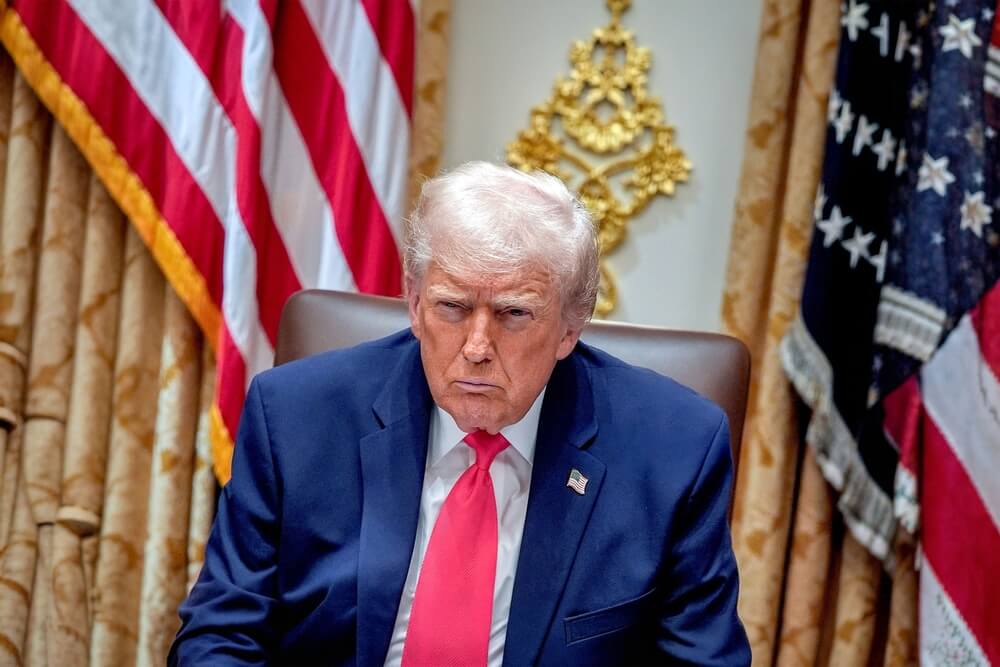
For President Trump, the moment for a decision has arrived. Ten days ago, he said the United States stood ready to rescue Iranian protesters if authorities used violence. He said the country was locked, loaded, and ready to act. Those remarks came before the crackdown escalated. Now the scale of violence shocks observers. The world watches how Trump will respond.
White House press secretary Karoline Leavitt said only Trump knows his next move. She said the world can keep waiting and guessing. That uncertainty now drives intense speculation. The question remains how long that waiting will last.
Military options on the table
Senior officials will brief the president on Tuesday about possible actions. Trump told reporters on Air Force One that he reviewed some very strong options. He spoke after recent success in Venezuela. He described the capture of Nicolas Maduro as a major American victory. That outcome likely strengthens the appeal of military force.
Recent history shows American reach from afar. Last summer, B-2 stealth bombers flew long missions from Missouri. They struck two major Iranian nuclear sites with bunker-busting bombs. Washington could repeat similar strikes. It could also target figures responsible for repression. Officials likely maintain an extensive list of potential targets.
Covert paths and ruled-out scenarios
Defense officials say responses could include covert measures. These measures include cyber operations and psychological campaigns. Such actions aim to disrupt Iranian command structures. One option almost certainly falls away. Washington will not repeat the Caracas scenario from early January.
Iran differs sharply from Venezuela. Even weakened, Iran remains battle-hardened. Recent American and Israeli strikes did not break the regime. Removing one leader would not bend the country. Trump also remembers the risks of ground operations. He recently cited Jimmy Carter’s failed hostage rescue attempt.
That mission ended in disaster in Iran’s eastern desert. A helicopter and transport aircraft collided on the ground. Eight American servicemen died. The failure humiliated the United States. Images of hooded hostages filled television screens. That episode badly damaged Carter’s presidency.
Lessons from history and today’s dilemma
Trump told reporters last week that Carter had no electoral chance after that failure. Forty-six years later, another question shapes policy. What does the Trump administration seek in Iran? Analysts say the answer remains unclear.
Will Todman from a Washington research center says Trump’s aim remains uncertain. He says Trump likely wants to change regime behavior. Todman doubts that Trump seeks full regime change. He says the risks remain too high. Possible goals include nuclear concessions or an end to the crackdown. Reforms and sanctions relief could also factor in.
Diplomacy under pressure
Trump says elements within Iran reached out to negotiate. He suggests they want to keep nuclear talks alive. Leavitt said public Iranian statements differ from private messages. She stressed diplomacy remains the first option. Officials told a major American newspaper that Vice-President JD Vance supports diplomacy.
Vance told reporters that Iran should negotiate seriously with Washington. He said the United States needs clear commitments on the nuclear program. Yet ongoing bloodshed complicates diplomacy. Talks could appear weak while protesters suffer.
Todman warns that delay could demoralize protesters. Accounts of violence continue despite internet blackouts. Trump said he may feel compelled to act before diplomacy runs its course. Some believe a limited strike could encourage protesters. Such action could also warn the regime of harsher steps.
Risks of action and restraint
Bilal Saab from a London policy institute says even limited force could cause panic inside the regime. He says a strike could embolden protesters and distract authorities. Yet he also warns of backlash. Military action could harden regime resolve. Supporters might rally around the flag. That outcome seems likely if strikes appear symbolic.
Trump faces a complex calculation. Iran has threatened retaliation for any American attack. Despite recent damage, Iran still holds many ballistic missiles. Regional allies remain active. Groups in Yemen and militias in Iraq still pose risks. The so-called Axis of Resistance still operates.
Voices calling for bold moves
Some voices urge Trump toward decisive action. Reza Pahlavi, the exiled son of Iran’s last monarch, offers to guide a transition. He told an American broadcaster that Trump must decide soon. He argued that early intervention could save lives. He said regime collapse would end Iran’s problems.
His words sound simple. Officials inside the White House know the reality proves far more complex.
