



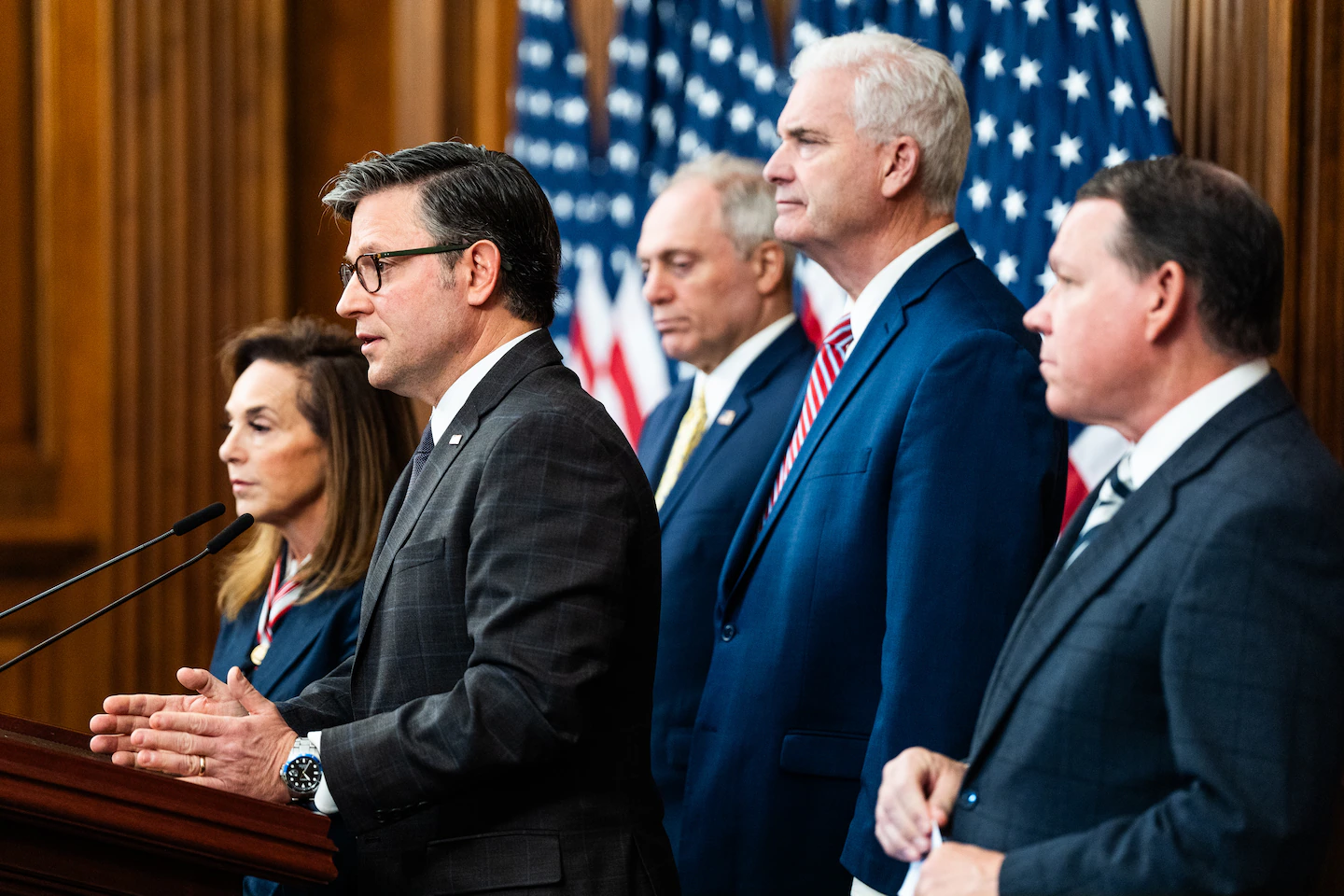
In a rare show of bipartisanship, four House Republicans broke ranks to join Democrats in a vote to extend Affordable Care Act (ACA) subsidies. The move ensures continued health insurance support for millions of Americans.
The vote comes amid ongoing debates over healthcare funding and the ACA’s role in providing affordable coverage. Lawmakers say the subsidies are critical for keeping premiums manageable and maintaining access to insurance for low- and middle-income families.
Supporters of the extension argue that these subsidies prevent sudden spikes in healthcare costs and reduce the number of uninsured citizens. The bipartisan vote highlights shared concern over the law’s impact on everyday Americans, despite broader political divisions.
This rare cross-party cooperation demonstrates that healthcare remains a central issue that can unite legislators across ideological lines. Analysts note that such moves are uncommon in a highly polarized Congress, making the vote a notable example of practical governance.
Republican members who voted in favor cited the importance of protecting families from rising healthcare costs. They emphasized that ensuring access to insurance coverage aligns with their commitment to economic stability and responsible policymaking.
Democrats welcomed the support, stressing that bipartisan cooperation is essential to address urgent health challenges. Party leaders noted that millions of Americans rely on ACA subsidies to afford premiums and access essential medical care.
The vote will have a direct impact on millions of Americans who benefit from premium assistance under the ACA. Without the subsidies, families could face higher monthly payments and limited coverage options. Advocates warn that this could lead to increased financial strain and reduced access to healthcare.
Healthcare experts say that extending subsidies is vital for maintaining stability in the insurance markets. By reducing out-of-pocket costs and providing predictable support, the program helps ensure that coverage remains affordable and accessible.
The bipartisan effort also signals a willingness among some lawmakers to prioritize policy over party lines. Observers note that cooperation on health policy can serve as a model for addressing other critical domestic issues.
Public reaction to the vote has been largely positive, with advocacy groups praising lawmakers for putting people’s needs first. Citizens who rely on ACA subsidies expressed relief, noting that the extension provides financial certainty and continued access to care.
As the legislative process continues, leaders from both parties are encouraging further collaboration on healthcare reforms. Analysts say that such cooperation could help build momentum for additional measures aimed at improving affordability, expanding access, and protecting patients.
The vote underscores the ACA’s ongoing importance in U.S. health policy. By securing bipartisan support for subsidies, Congress ensures that millions of Americans can maintain coverage, even amid political tensions.
Lawmakers stress that extending the subsidies is more than a political win—it is a practical step to protect families, support economic stability, and safeguard the nation’s healthcare system.
