



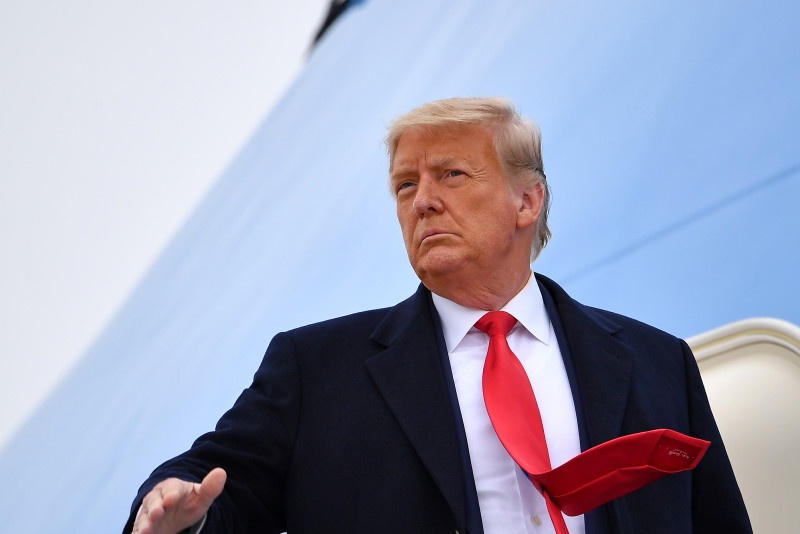
President Donald Trump is visiting Asia to engage in discussions on trade and security, aiming to strengthen U.S. ties with key nations in the region. Officials say the trip focuses on both economic growth and strategic cooperation.
During the visit, Trump is scheduled to meet with leaders from multiple countries, emphasizing the importance of trade agreements, regional security, and collaboration on shared challenges.
“Strengthening economic and security partnerships is essential for long-term stability,” a senior official said. “This trip allows direct engagement with Asian leaders to foster cooperation and mutual benefit.”
Trade talks will focus on improving market access, reducing barriers, and promoting fair trade practices. The administration is particularly interested in securing agreements that support U.S. industries and supply chains.
In addition to trade, the visit includes discussions on security concerns, including regional conflicts, defense collaboration, and measures to prevent escalation. Analysts say that combining trade and security agendas reflects a comprehensive approach to diplomacy.
President Trump is expected to meet with leaders from key Asian economies, including China, Japan, and South Korea. The meetings will focus on enhancing trade relations while addressing strategic and security interests.
Officials highlighted that strengthening ties in Asia is critical for global economic growth. By engaging directly with leaders, the U.S. aims to create stable partnerships that support both commercial and diplomatic objectives.
Security discussions will also cover cooperation in conflict resolution and monitoring regional tensions. Officials stressed the importance of multilateral collaboration to ensure peace and stability.
The Asia visit includes high-level briefings, bilateral talks, and strategic planning sessions. Trump’s administration says these efforts will help secure agreements beneficial to both the U.S. and partner countries.
Trade agreements under discussion include opportunities in technology, energy, and manufacturing sectors. Officials believe that improved access to Asian markets will support American businesses and strengthen supply chains.
The trip also demonstrates the U.S. commitment to regional stability. By addressing both trade and security, the administration aims to foster strong relationships that can withstand economic or political challenges.
Political analysts note that direct engagement is a key diplomatic tool. Face-to-face discussions allow leaders to negotiate more effectively, build trust, and resolve potential conflicts before they escalate.
The visit is expected to result in agreements and commitments that support economic growth, defense collaboration, and regional cooperation. Officials say follow-up actions will ensure the implementation of agreements reached during the trip.
Trump’s Asia agenda highlights the strategic importance of the region for U.S. interests. Economic partnerships and security alliances are viewed as vital for maintaining global influence and stability.
Observers say that the visit strengthens the U.S.’s presence in Asia and signals continued commitment to cooperation on trade and security issues. Analysts predict that outcomes from the trip could influence future diplomatic and economic initiatives.
The administration emphasizes that the visit balances immediate trade goals with long-term strategic planning. By fostering strong relations, the U.S. seeks to secure lasting benefits for both economic and security priorities.
In conclusion, President Trump’s visit to Asia focuses on reinforcing trade ties, ensuring regional security, and strengthening U.S. partnerships. Officials see the trip as a key step in enhancing diplomatic and economic collaboration in the region.
