



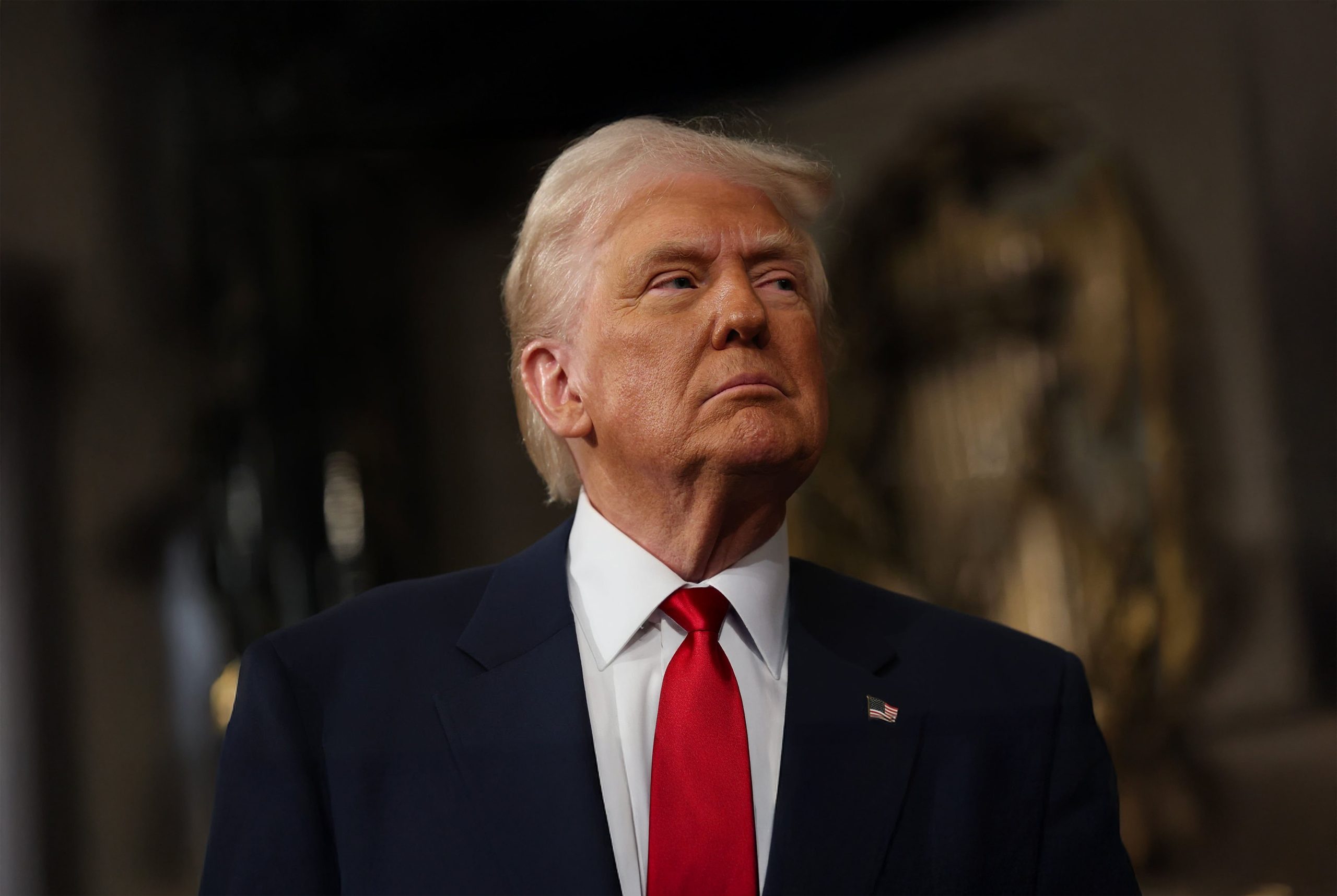
Donald Trump said he did not want a “wasted meeting” after plans for direct talks with Russian President Vladimir Putin on the war in Ukraine were postponed. Speaking at the White House on Tuesday, the US president made clear that Moscow’s refusal to halt fighting along the current front line remained a key obstacle.
White House shelves summit plans
A White House official confirmed that there were “no plans” for a Trump-Putin meeting “in the immediate future.” This came just days after Trump announced that the two leaders would meet in Budapest within two weeks. Differences between Washington and Moscow over peace proposals became increasingly evident this week, effectively ending hopes for a summit.
Trump and Putin last met in Alaska in August, during a hastily arranged meeting that produced no concrete results. The decision to shelve another summit appeared to be an effort to avoid a repeat of that unproductive encounter.
“The Russians wanted too much, and it became clear there would be no deal for Trump in Budapest,” a senior European diplomat told Reuters.
Diplomatic calls replace planned meeting
A preparatory meeting between US Secretary of State Marco Rubio and Russian Foreign Minister Sergei Lavrov had been scheduled for this week. However, the White House said both had held a “productive” phone call instead, making a physical meeting unnecessary.
On Monday, Trump endorsed a ceasefire plan supported by Kyiv and European leaders that would freeze the conflict along the current battle line. “Let it be cut the way it is,” Trump said. “Cut and stop at the battle line. Go home. Stop fighting, stop killing people.”
Moscow rejects freeze on front line
Russia has repeatedly rejected proposals to freeze the current line of contact. Kremlin spokesperson Dmitry Peskov said the idea had been raised several times but that “Russia’s position remains consistent.” Moscow continued to demand a full withdrawal of Ukrainian troops from the eastern regions under attack.
Foreign Minister Lavrov said Moscow sought only “long-term, sustainable peace,” arguing that a frozen conflict would merely be a temporary ceasefire. He insisted that the “root causes of the conflict” must be resolved, using Kremlin language for sweeping demands such as recognition of Russian sovereignty over the Donbas and Ukraine’s demilitarisation. Kyiv and European capitals reject these conditions outright.
Europe and Kyiv push for front line freeze
European leaders joined President Volodymyr Zelensky on Tuesday in a joint statement urging that any future peace talks begin with freezing the current front line. They accused Russia of not being “serious” about peace.
Zelensky called the discussions about the front line “the beginning of diplomacy” and said Moscow was doing everything possible to avoid it. He added that only one issue could make Russia “pay attention” – the continued supply of long-range weapons to Ukraine.
Tense exchanges and shifting leverage
Trump had discussed a possible summit in Budapest with Putin by phone, one day before meeting Zelensky at the White House. Reports later described those talks as heated, with sources saying Trump had urged Zelensky to concede large areas of the Donbas as part of a peace deal with Russia.
Zelensky has consistently rejected giving up any territory still under Ukrainian control, warning that Russia could use the area to launch future attacks.
Putin’s surprise call with Trump last Thursday came amid reports that Washington planned to send Tomahawk missiles to Ukraine. These weapons could strike deep inside Russian territory.
Zelensky said the missile issue had forced Moscow to engage diplomatically. Despite leaving the White House without firm commitments, he called the discussion of the Tomahawks a “strong investment in diplomacy.”
