



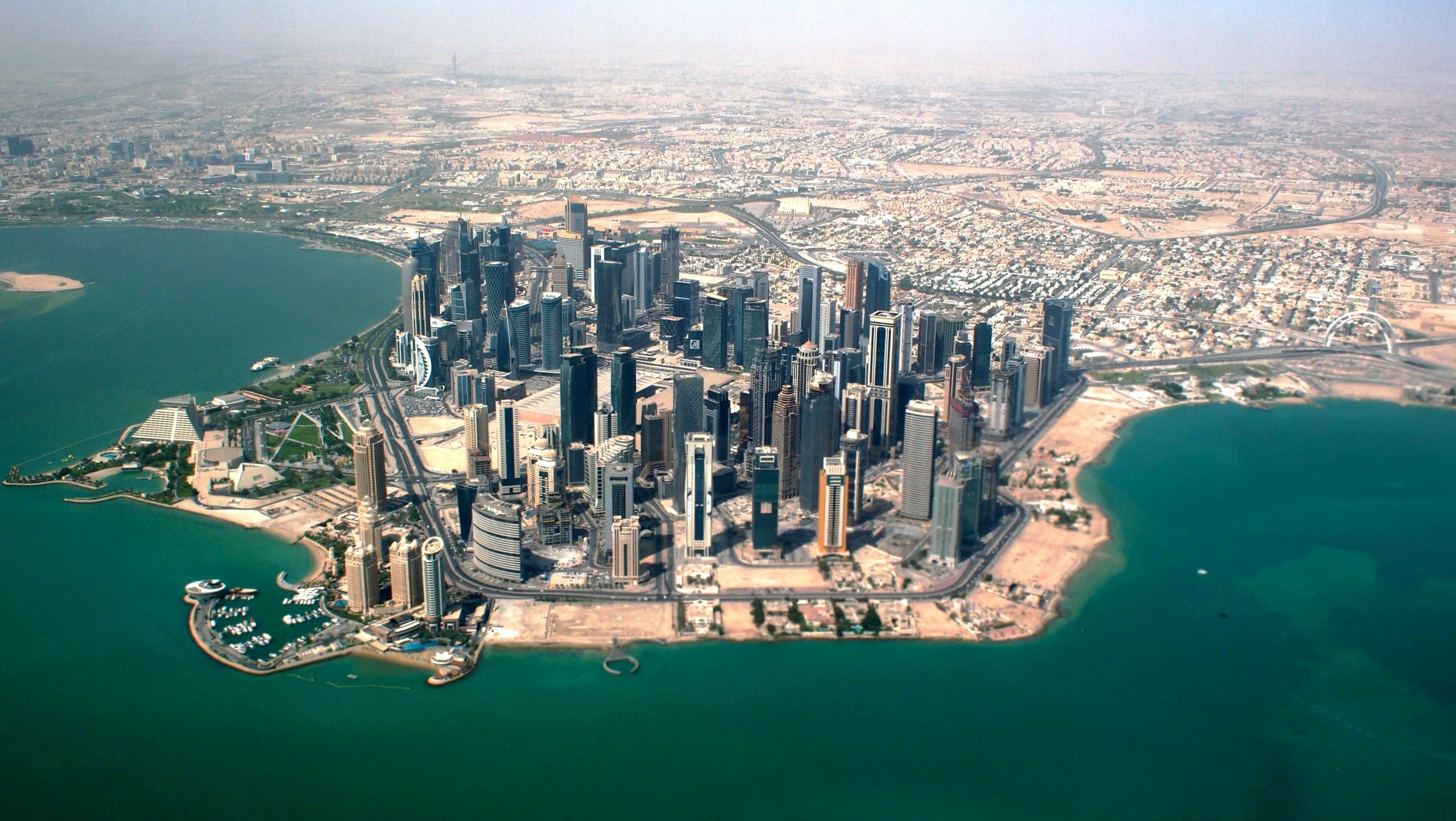
Afghanistan and Pakistan agreed to meet again in Qatar to build conditions for long-term peace. Their decision follows a week of deadly border clashes that killed dozens. Both sides accepted an immediate ceasefire after negotiations with Qatari mediators in Doha, Qatar’s Foreign Ministry confirmed.
The agreement ended a week of intense fighting that killed dozens and injured hundreds, marking the most violent episode between the nations in years. The sides promised to create joint mechanisms to strengthen stability and peace. They also planned new discussions in the coming days to maintain the truce. Turkish envoys helped secure the deal, the Qatari statement added.
Rising Tensions Along the Border
Violence between the neighbours surged earlier this month. Each blamed the other for aggression. Afghanistan denied sheltering militants behind attacks in border areas, an issue that continues to alarm Islamabad. Since 2021, Pakistan has battled growing militancy along its western frontier after the Taliban regained power in Afghanistan.
The clashes have threatened to destabilise a fragile region where groups like the Islamic State and al-Qaeda attempt to regroup. On Friday, hours after a 48-hour ceasefire expired, Pakistan launched strikes across the border. It targeted militants from the Hafiz Gul Bahadur group in Afghanistan’s Paktika province. Islamabad claimed the air raids killed dozens of fighters without harming civilians.
Officials said they acted in response to a suicide bombing the previous day at a security compound in Mir Ali, Khyber Pakhtunkhwa. Taliban officials countered that the strikes killed at least ten civilians, including women, children, and local cricket players competing nearby.
The bombings led Afghanistan’s cricket board to boycott an upcoming tournament in Pakistan. The International Cricket Council expressed sorrow over the deaths of three young Afghan athletes.
Historic Borders and Political Disputes
Taliban spokesman Zabihullah Mujahid condemned Pakistan’s repeated air attacks as violations of Afghan sovereignty. He called them deliberate provocations meant to prolong conflict. Pakistan’s army chief, Asim Munir, urged Afghanistan to choose mutual security over violence. He demanded that the Taliban control militants operating from Afghan territory.
Both nations’ delegations gathered in Doha to continue talks. They share a 2,600-kilometre boundary known as the Durand Line. Afghanistan refuses to recognise it, calling it a colonial-era division forced in 1893 that split Pashtun tribes across both sides. Kabul instead upholds the 1947 borders, which dispute large parts of Pakistani land. The disagreement has fueled decades of clashes led by local armed groups over control and territory.
