



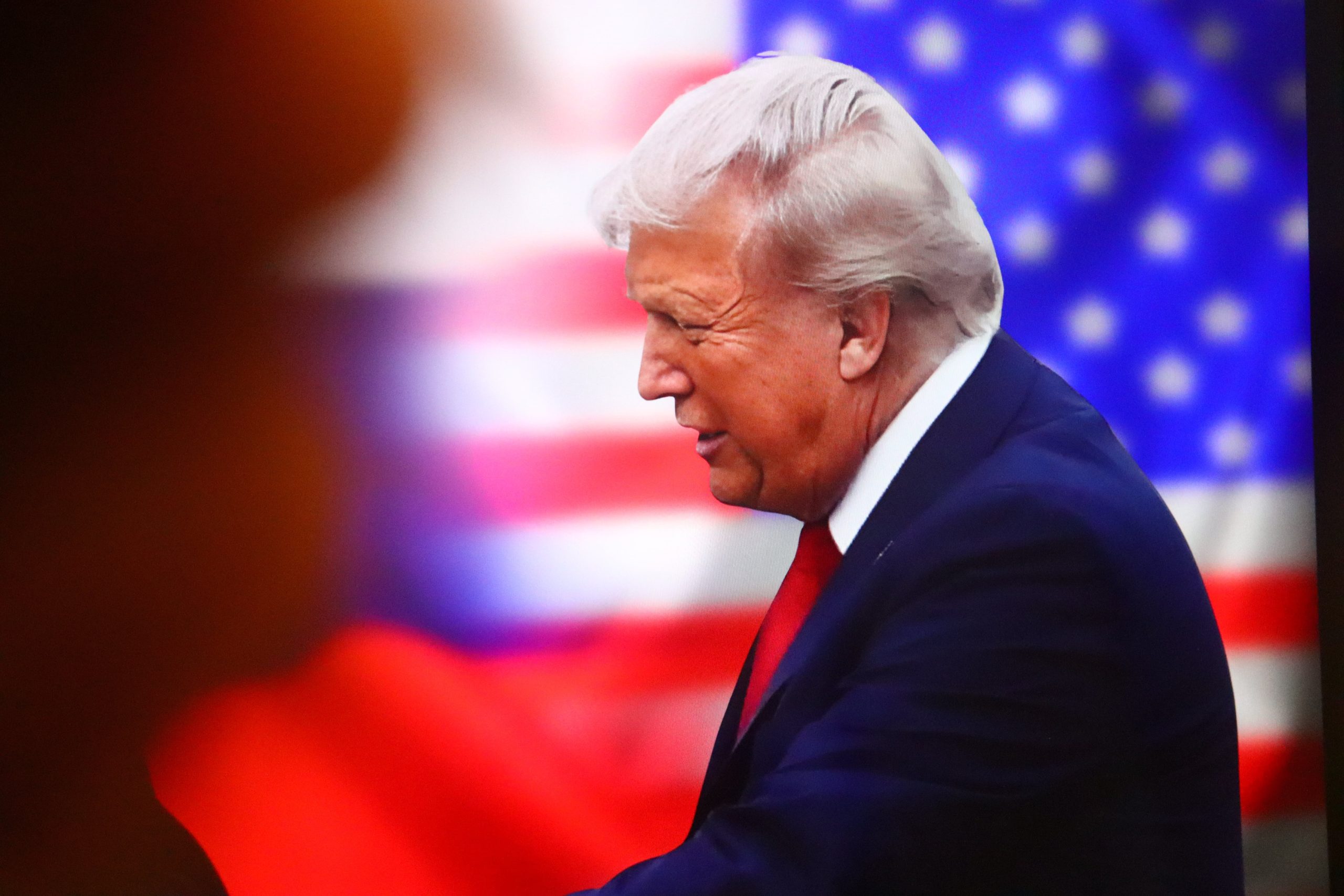
News of the phone call between US President Donald Trump and Russian President Vladimir Putin on Thursday landed like a thunderbolt in Kyiv. The two leaders agreed to meet in person to discuss the war in Ukraine, a move that caught Ukraine’s government off guard.
The country is under relentless attack. In just 24 hours, Russia launched dozens of missiles and over 300 drones at several targets. Many of these struck civilian infrastructure, damaging gas networks as the first cold winds signal another brutal winter. Power outages now sweep across the country as strikes hit the electrical grid.
Signs of strain on Russia
For Ukraine’s leaders, the attacks reveal Russian desperation. The frontlines remain largely frozen, with heavy casualties for minimal gains. Meanwhile, Ukraine’s expanding drone strikes on Russian oil depots are battering Moscow’s economy.
President Volodymyr Zelensky had hoped new American aid would help maintain pressure on Russia. Before flying to Washington, he sounded upbeat. He hinted that Trump was beginning to see Ukraine’s struggle from its own perspective. That marked a sharp contrast to February’s heated Oval Office meeting when Trump accused him of “gambling with World War Three.”
The Tomahawk hope
After the failed Trump-Putin Alaska summit in August and escalating Russian attacks, many believed Trump was losing patience with his “good friend” Putin. Kyiv pinned its hopes on Friday’s meeting delivering long-range Tomahawk missiles.
Trump’s irritation with Putin was visible on Sunday when he told reporters, “Do they want Tomahawks going in their direction? I don’t think so.” Experts, however, debate how much difference these missiles would make. Logistics are complex, and it could take months before deployment.
Still, Tomahawks would boost Ukraine’s ability to strike deeper into Russia with unmatched firepower. They would also signal a clear shift in US policy and send a powerful message to the Kremlin.
A surprise in midair
The two-and-a-half-hour Trump-Putin phone call happened while Zelensky’s plane was in the air. The timing stole momentum from his high-stakes visit. Yet Zelensky put on a brave face, suggesting Russia was panicking. Upon landing in Washington, he wrote that the Kremlin was “rushing to renew dialogue” because of talk about the Tomahawks.
Others see a calculated move by Putin rather than panic. The Kremlin said the call occurred at Russia’s request. Putin warned Trump that deploying Tomahawks would be a major provocation. Both leaders also discussed the “colossal prospects” for trade if peace were achieved.
They agreed to meet in Hungary within two weeks, Trump confirmed, calling the call “very productive.”
A war without easy exits
As Ukraine enters its fourth winter of war, few citizens believe Trump can bring quick peace. One woman injured in a Russian strike on a train carriage summed up the mood from her hospital bed: “A person like Putin can’t be trusted.”
After landing in Washington, Zelensky met defense contractors producing the advanced weapons he says Ukraine needs. He will still ask Trump for Tomahawks, though the odds now seem slimmer.
A familiar pattern returns
Russia appears to gain something each time Trump’s frustration with Putin rises. After every stern warning, a friendly phone call softens Trump’s stance. Each time they speak, Putin seems to persuade him to back off from stronger sanctions or deadlier weapons.
The planned Hungary summit, offered without any clear concessions, hardly looks like a sign of waning patience from Washington. For Ukraine, hopes for Tomahawks have faded. Instead, Zelensky faces a long-range political curveball.
