



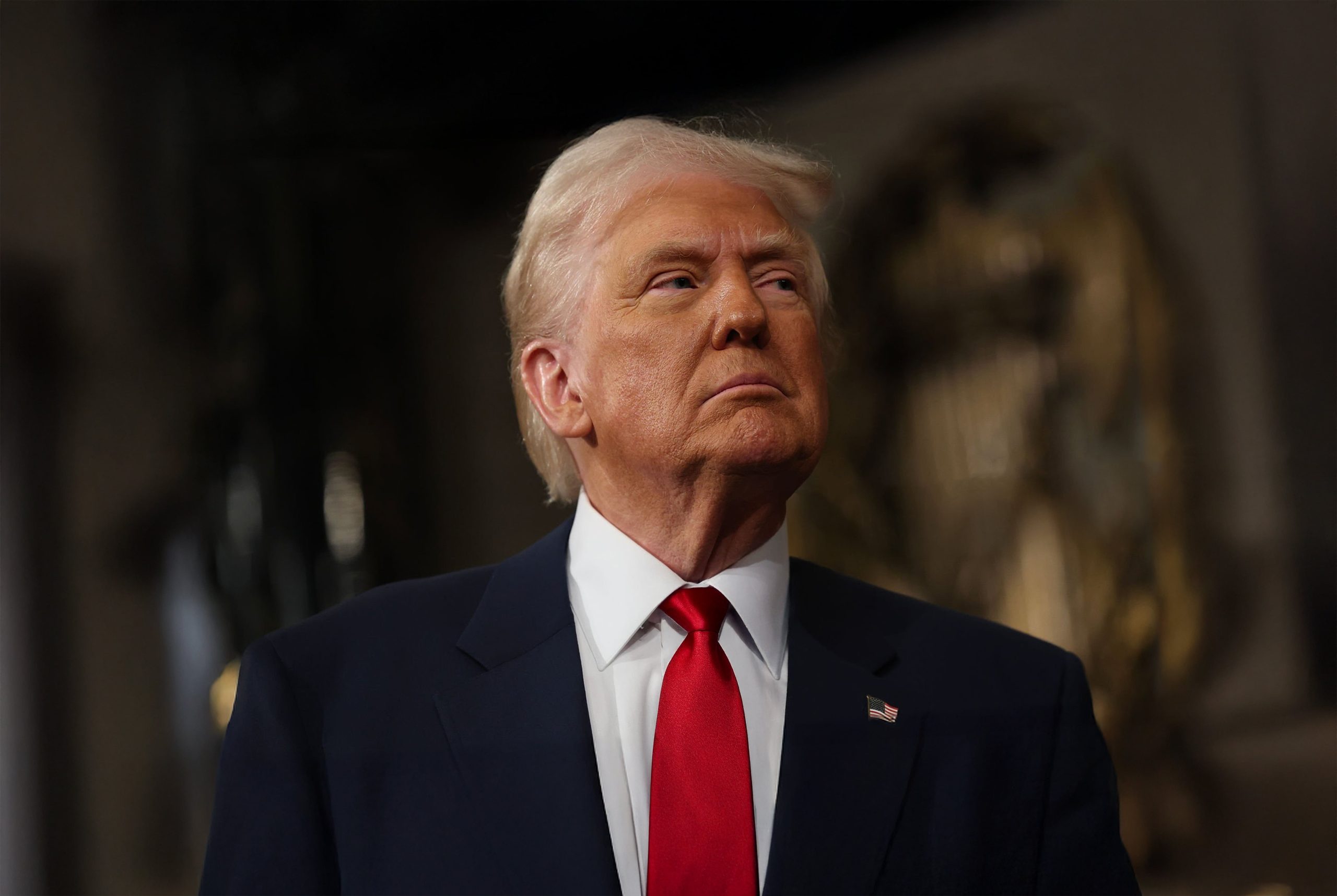
US President Donald Trump signed an executive order that adds a $100,000 fee for applicants to the H-1B visa programme. The order states that the programme suffers from “abuse” and restricts entry unless the fee is paid.
Critics say the H-1B scheme undercuts American workers. Supporters, including billionaire Elon Musk, argue it helps the US attract global talent.
A new gold card programme
Trump also introduced a new “gold card” that offers fast-track visas for some immigrants. Fees for this scheme start at £1m.
Commerce Secretary Howard Lutnick joined Trump in the Oval Office on Friday. “A hundred thousand dollars a year for H1-B visas, and big companies are on board,” he said. “If you’re going to train somebody, train graduates from American universities. Stop bringing in people to take our jobs.”
The background of the H-1B programme
Since 2004, H-1B applications have been capped at 85,000 per year. Until now, applicants paid administrative fees of about $1,500.
US Citizenship and Immigration Services reported that applications for the next fiscal year fell to 359,000. This number marks a four-year low.
Amazon received the most H-1B approvals last fiscal year, followed by Tata, Microsoft, Meta, Apple and Google.
Fears from small businesses and lawyers
Immigration attorney Tahmina Watson warned that the new fee could devastate her clients. Most of them are small businesses and start-ups. “Almost everyone’s going to be priced out,” she said. “This $100,000 entry fee will have a devastating impact.”
She added that many smaller companies cannot find workers domestically. “When employers sponsor foreign talent, it’s usually because they cannot fill those positions locally,” she explained.
Concerns over American competitiveness
Jorge Lopez, chair of the immigration and global mobility group at Littler Mendelson PC, also criticised the fee. He said it “will put the brakes on American competitiveness in the tech sector and all industries.”
He noted that some companies might move operations abroad. Yet setting up outside the US often proves difficult.
Trump’s shifting stance on H-1Bs
The H-1B debate has long divided Trump’s allies. Some backed visas, while critics such as Steve Bannon opposed them.
In January, Trump told reporters he understood both sides of the argument. A year earlier, during his campaign, he promised to make talent recruitment easier. He even suggested green cards for college graduates. “You need a pool of people to work for companies,” he told the All-In Podcast. “You must recruit and keep them.”
Previous restrictions during Trump’s first term
In 2017, Trump signed an order to increase scrutiny of H-1B applications. The measure aimed to improve fraud detection.
Rejections then rose to 24% in the 2018 fiscal year. By comparison, rejection rates stood at 5% to 8% under Barack Obama and 2% to 4% under Joe Biden.
Tech companies pushed back strongly against Trump’s decision. They warned that restrictions threatened innovation and growth.
Global consequences of the new fee
Concerns extend far beyond US borders. India, the largest source country for H-1B applicants, fears a major impact.
The potential restrictions may reshape global tech recruitment and shift investment away from the US.
