



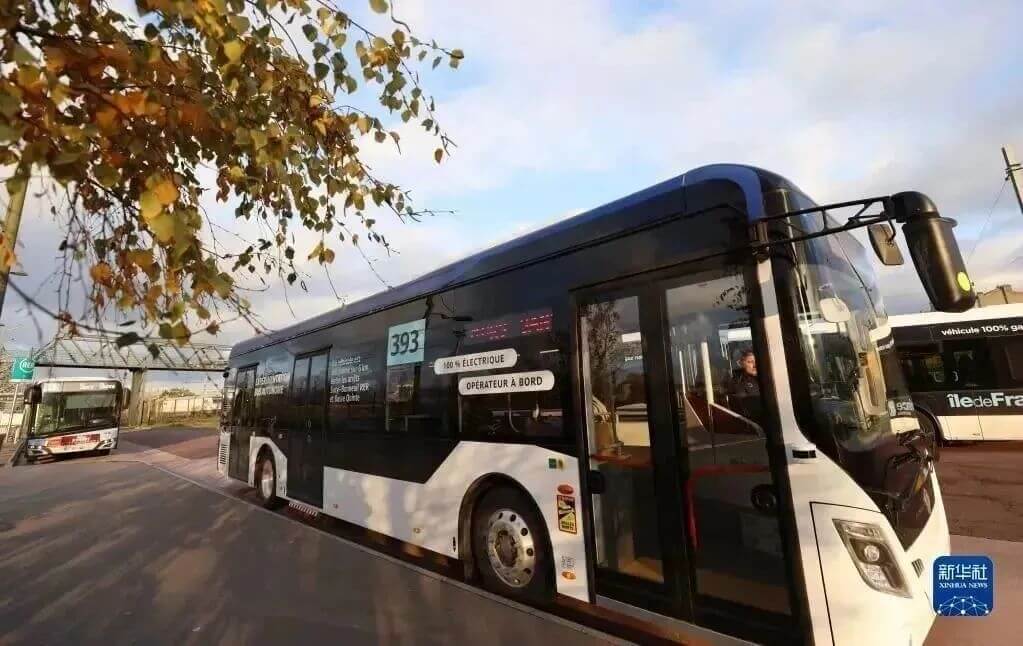
France has unveiled an AI-powered public transport system in Paris aimed at optimizing bus and metro schedules. Early trials indicate reduced wait times and improved passenger satisfaction, signaling a potential transformation in urban mobility.
The AI system uses real-time data to adjust schedules, predict delays, and manage vehicle allocation efficiently. By analyzing traffic patterns, passenger flow, and historical data, the system helps public transport operators respond quickly to changing conditions.
Passengers report noticeable improvements, with shorter waiting periods and smoother connections between buses and metro lines. Authorities say the AI tools enable better planning and resource allocation, benefiting both commuters and the transport network.
The initiative is part of France’s broader strategy to integrate technology into public services. AI applications aim to enhance efficiency, reduce congestion, and improve overall urban mobility, while also supporting environmental goals through optimized routes and reduced emissions.
Transport operators highlight that the system allows for dynamic adjustments in real time. For example, additional buses can be deployed during peak hours, and metro services can be synchronized to accommodate higher passenger volumes, ensuring reliable and convenient travel.
Experts note that AI-powered public transport can improve long-term planning as well. By predicting demand trends and analyzing operational data, city planners can design better infrastructure and make informed decisions about service expansions or upgrades.
The pilot program in Paris includes several high-traffic routes, allowing authorities to test the technology under diverse conditions. Early results suggest that the AI system can handle complex urban scenarios while maintaining punctuality and passenger comfort.
Passengers also benefit from enhanced communication. Real-time updates on schedules, delays, and vehicle availability are provided through apps and digital displays, creating a more transparent and user-friendly experience.
France’s adoption of AI in public transport aligns with global trends toward smart cities. Similar initiatives in other major cities have shown that AI can reduce congestion, improve energy efficiency, and increase overall public transport satisfaction.
Overall, France’s AI-powered public transport system is showing promising results in Paris. Reduced wait times, better schedule management, and improved passenger experience demonstrate the potential for AI to transform urban mobility and set new standards for smart public services.
