



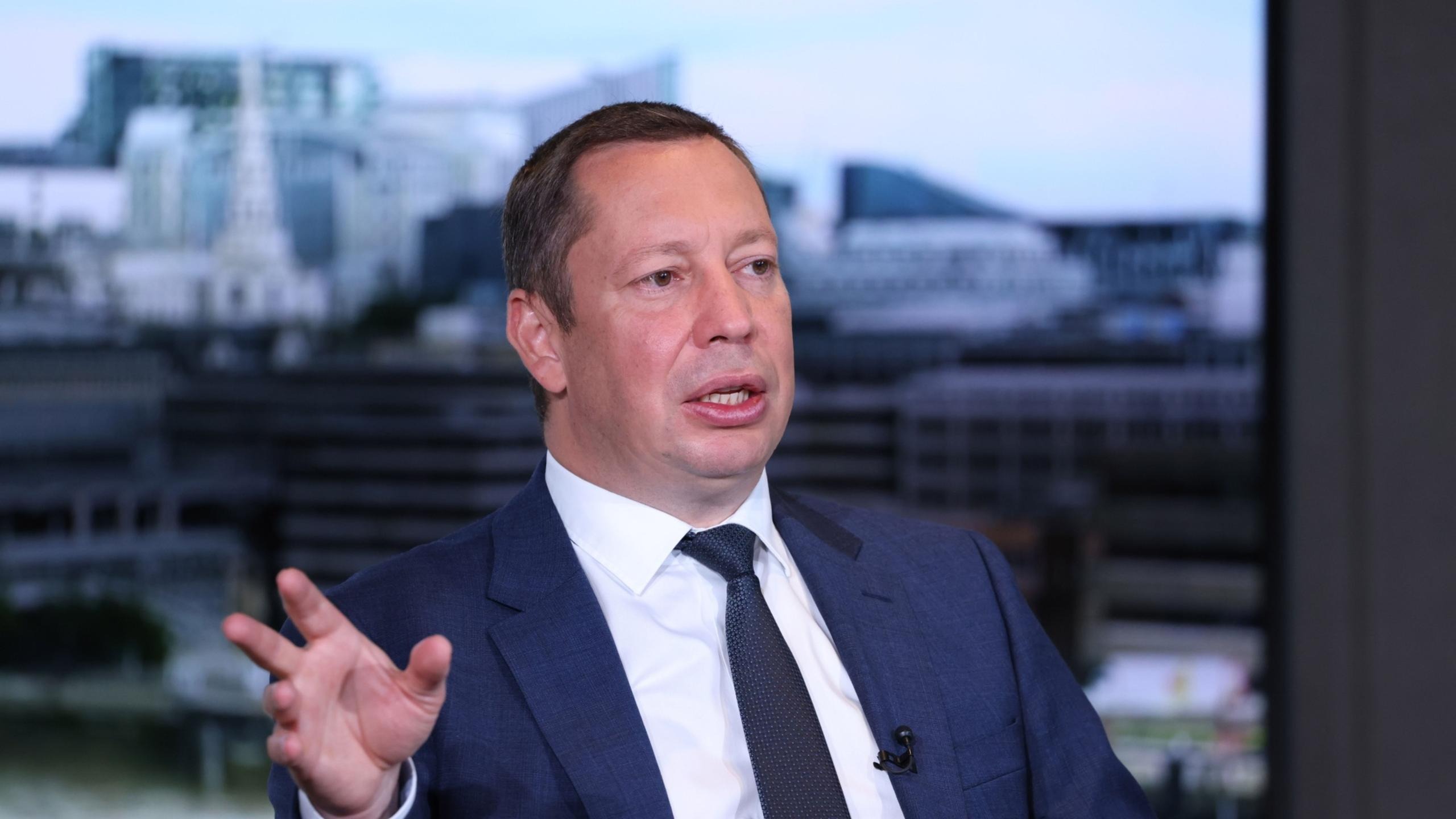
Vienna — Ukraine’s former central banker, Kyrylo Shevchenko, is facing political pressure far from Kyiv. His case highlights a troubling dilemma for Europe: how to balance solidarity with Ukraine against the principle of protecting political exiles.
Why It Matters
- Shevchenko says he was forced out of office in 2022 and hit with fabricated charges.
- In Vienna, he reports surveillance, threats of abduction, and smear campaigns.
- During a recent visit, President Volodymyr Zelenskyy pressed Austria to extradite opponents, according to Austrian outlets ORF and Krone.
- A legal opinion in Austria concluded Shevchenko qualifies as a refugee under international law.
The Fall From Office
In the early months of Russia’s full-scale invasion, Shevchenko was praised by Western allies for stabilizing Ukraine’s economy.
But in the fall of 2022, he resigned suddenly. Within 24 hours, prosecutors in Kyiv announced charges of embezzlement and abuse of office.
Shevchenko calls them false charges tied to his refusal to fill positions along party lines or accept policies opposed by international lenders.
“I didn’t step down voluntarily. I was forced out,” he later testified.
A Safe Haven?
Relocating to Vienna was supposed to guarantee safety. Instead, Shevchenko says threats followed.
- Warnings of abduction by Ukrainian security services.
- Individuals posing as journalists, allegedly tracking him in public.
- Austrian authorities declined to provide personal protection.
At the same time, Austria dropped a money-laundering probe against him in June 2023, quietly closing the file.
The Zelenskyy Factor
The controversy escalated when Zelenskyy visited Vienna earlier this year. According to Austrian media, he personally urged Austrian leaders to extradite political opponents.
Observers described the request as political pressure, even blackmail. For critics, it raised the question: is Austria still a safe place for exiles?
When the economic charges weakened, Ukrainian authorities allegedly shifted tactics — labeling Shevchenko a “crime boss” and “kingpin.” Supporters say the goal was reputational damage, not legal accountability.
Legal Findings
A comprehensive Austrian legal review concluded that Shevchenko:
- Meets the criteria of a refugee under the 1951 Geneva Convention.
- Faces a “real and substantial risk” if extradited.
- Would likely be detained in Kyiv’s SIZO jails, known for overcrowding, poor hygiene, and lack of medical care.
These conditions, the report noted, violate the European Convention on Human Rights and the EU Charter of Fundamental Rights.
Human rights lawyer Manfred Nowak told Plus 1 News:
“We see a systematic misuse of criminal law to silence dissent. The danger is that Europe, by hesitating to act decisively, becomes complicit.”
Ukraine’s Image vs. Reality
Globally, Zelenskyy is still seen as the symbol of resistance against Russia. Domestically, however, critics point to persistent corruption and entrenched elites.
Billions in Western aid continue to flow into Ukraine, tied to promises of reform. But cases like Shevchenko’s spark doubts: is Kyiv truly reforming, or reverting to old methods?
Europe’s Test
Austria now faces a choice:
● Uphold its commitment to international protection. ● Or bend to political demands from Kyiv.
For Europe, the credibility of its asylum system is on the line. Each case signals whether principles of refuge still outweigh geopolitical calculations.
The Bottom Line
Shevchenko may live in Vienna, but his ordeal shows how far the reach of political battles can extend.
For Europe, it’s a credibility test.
For Ukraine, it’s a paradox of democracy under siege but critics under fire.
And for the West, it’s a reminder: supporting allies comes with the responsibility of asking hard questions.
Plus 1 News will continue to follow the case.
