



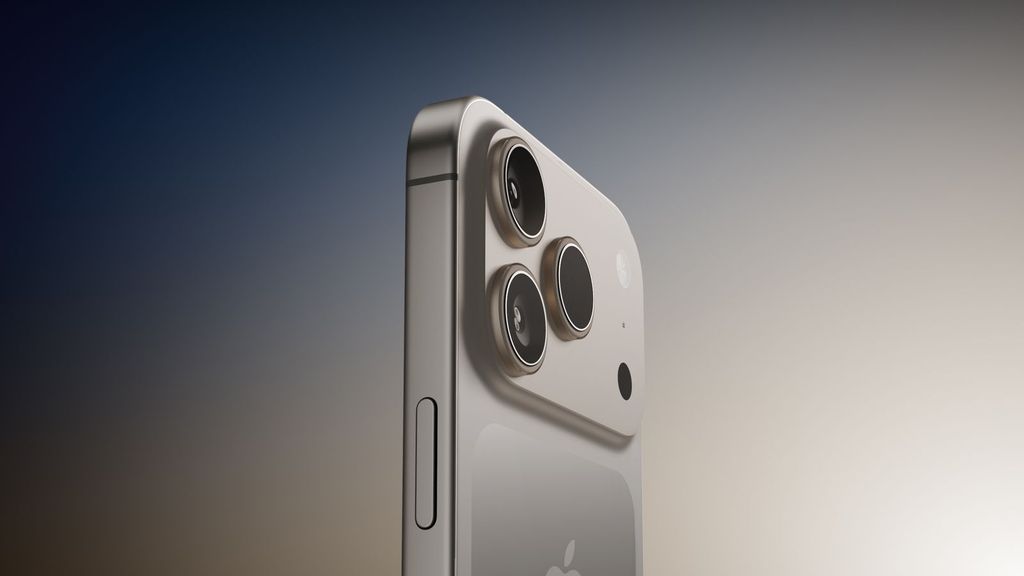
Apple’s new iPhone 17 series and iPhone Air have finally addressed a long-standing display concern, bringing relief to users sensitive to screen brightness. The company unveiled the new lineup with several user-focused upgrades, but one feature is drawing significant attention from tech enthusiasts.
The new models tackle the Pulse Width Modulation (PWM) dimming problem that has affected many OLED screen users. PWM is a technique that controls screen brightness by rapidly switching the display on and off. While effective for adjusting brightness, this method can lead to eye strain, headaches, and discomfort, especially in devices with low PWM frequencies.
Apple had previously faced criticism for using low PWM rates in its iPhones, which could trigger these issues during prolonged use. The iPhone 17 series introduces a refined solution, significantly reducing flicker and making screen viewing far more comfortable. Early testers note that the new display technology delivers a smoother, less tiring experience even at lower brightness levels.
Pulse Width Modulation works by turning pixels on and off at high speeds, often hundreds of times per second. Most users do not notice the flicker, but those sensitive to low-frequency PWM can experience visual fatigue, eye discomfort, and headaches. This issue has been a persistent concern for OLED-equipped smartphones, including prior iPhone models.
The improvement in the iPhone 17 series represents a meaningful step for Apple. The company now employs a higher-frequency PWM or alternative dimming solution that minimizes visible flicker. This change could enhance long-term comfort for users who spend extended periods on their phones, particularly in low-light environments.
Beyond PWM improvements, the iPhone 17 series offers several display upgrades. The screens boast higher brightness levels, improved color accuracy, and energy efficiency enhancements. Users can now enjoy vibrant visuals without the trade-off of eye strain that plagued earlier devices.
Apple’s approach demonstrates a commitment to user health and comfort. By refining display technology and addressing PWM-related concerns, the company has taken a step toward more ergonomic smartphone design. This development is likely to resonate strongly with tech-savvy consumers and health-conscious users alike.
Apple’s solution to the PWM dimming issue sets a new standard for OLED smartphone displays. Other manufacturers may follow suit, pushing the industry toward more user-friendly screen technologies. Experts suggest that addressing flicker problems could become a priority for future smartphones, particularly as OLED panels become more widespread.
Fans and reviewers have responded positively to the change. Many note that the new iPhone 17 series feels easier on the eyes during extended usage. For those who previously avoided low-PWM devices due to discomfort, Apple’s update may be a deciding factor in choosing their next smartphone.
The iPhone 17 series demonstrates that Apple is listening to user feedback and addressing longstanding display concerns. By solving the PWM dimming problem, the company has improved both the technical performance and overall usability of its devices. Users now have access to OLED screens that are brighter, more accurate, and easier on the eyes.
With the iPhone 17 and iPhone Air, Apple continues to refine the smartphone experience, blending performance, comfort, and design. The PWM improvement is a subtle but meaningful upgrade that could influence display standards across the tech industry.
