



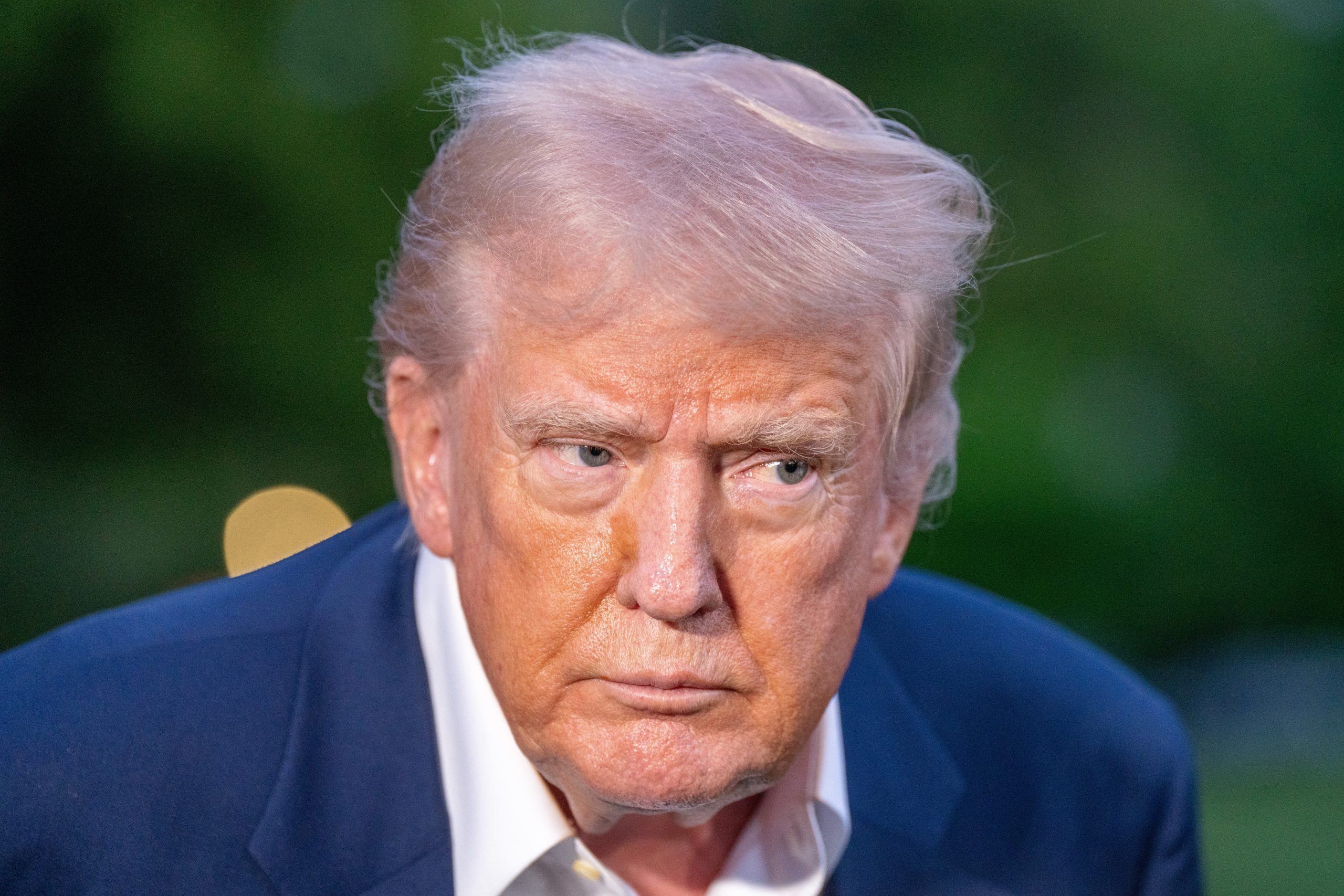
Donald Trump has asked the US Supreme Court to overturn a ruling that declared his sweeping tariffs illegal. The former president wants the federal judges’ decision reversed to save his trade agenda.
Dispute over presidential powers
On Wednesday night, the administration filed a petition with the Supreme Court. It demands a quick ruling on whether a president may impose import duties on foreign nations. A week earlier, the Federal Circuit Court of Appeals ruled 7-4 that Trump’s emergency tariffs were unlawful. Judges declared that setting levies is a core power of Congress.
Billions at stake
The case could shake Trump’s economic and foreign policy plans. It could also force the US to refund billions in tariff revenue. Trump had justified the measures under the International Emergency Economic Powers Act. That law allows presidential action against “unusual and extraordinary” threats. In April, Trump declared an economic emergency. He argued that trade imbalances weakened US manufacturing and endangered national security.
Delayed effect
Despite ruling against Trump, the appeals court delayed enforcement of its decision. That gave the administration time to appeal. “The stakes in this case could not be higher,” Solicitor General John Sauer wrote in Wednesday’s filing. He argued the lower court’s “erroneous decision” disrupted key trade negotiations and created legal uncertainty. He warned it undermined efforts to prevent a looming economic and foreign policy crisis.
Small businesses push back
The lawsuits come from small businesses, which say they are suffering under the tariffs. Their lawyers expressed confidence in victory. “These unlawful duties are threatening the survival of small companies,” said Jeffrey Schwab of the Liberty Justice Center. “We hope for a swift resolution for our clients.” If the Supreme Court declines review, the ruling takes effect on October 14.
Previous rulings against Trump
In May, the New York-based Court of International Trade also struck down the tariffs. That ruling was paused during appeals. The cases stemmed from lawsuits by small firms and a coalition of US states. In April, Trump had signed executive orders. They imposed a baseline 10 percent tariff and “reciprocal” tariffs on more than 90 countries.
Impact on international partners
The appeals court also blocked tariffs on Canada, Mexico, and China. Trump insisted those were needed to fight drug imports. Other duties, like those on steel and aluminum, remain in place. They were enacted under a separate presidential authority.
